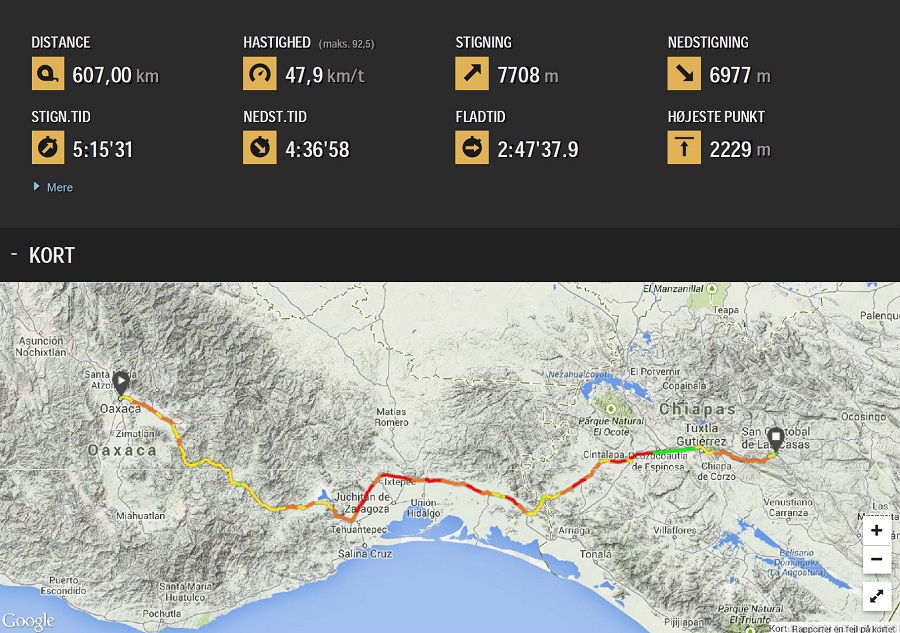
Vi er på vej i bussen. Heldigvis er der ikke så mange med, så vi kan tage hver vores række. Philip og Jeanette sover helt fint hele natten, mens Stig og jeg er meget vågen. Det er jo ganske umuligt at sove i en bus. Da det er bjergkørsel fornemmer man også at man bliver “kastet” fra side til side. Mange gange måtte chaufføren køre udenom sten som var skredet ned fra bjergene. Kl. ca. 02.00 stopper han helt. Hele vejen er spærret af store sten. Det regner ganske kraftigt, men han får sat bussen i frigear og trukket håndbremsen. Begiver sig ud i regnen og forsøger at rulle stenene. 2 andre passagerer kommer og hjælper ham og de får ryddet hele vejen. Tænk hvis vi skulle have siddet der hele natten!
Kl 04.00 stopper bussen igen, nu for at skifte chauffør. Vi holder i en landsby og det er meget varmt udenfor. Der bliver spillet højt musik fra de nærliggende barer. Stig og jeg går lidt udenfor for at trække lidt luft og strække benene.
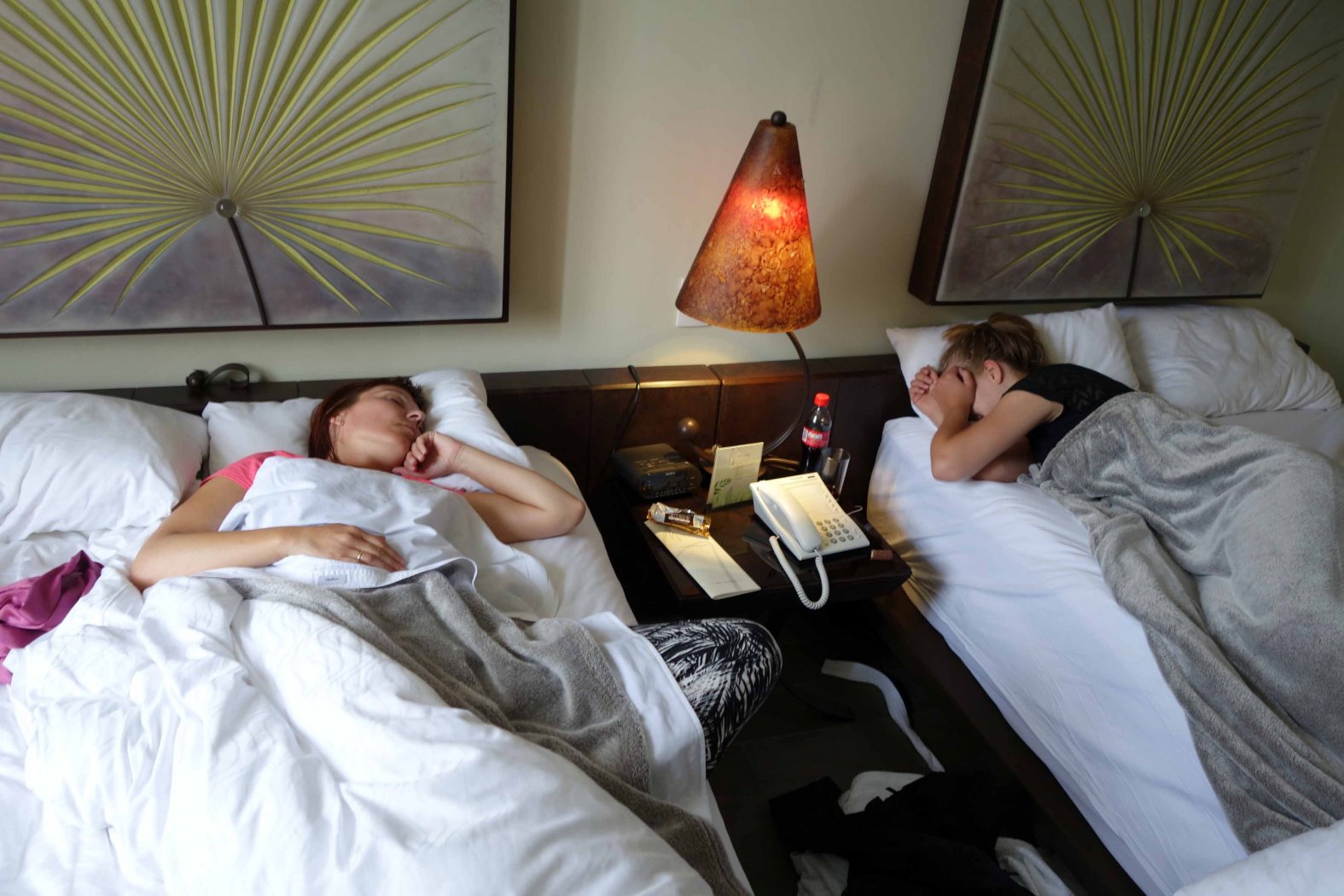
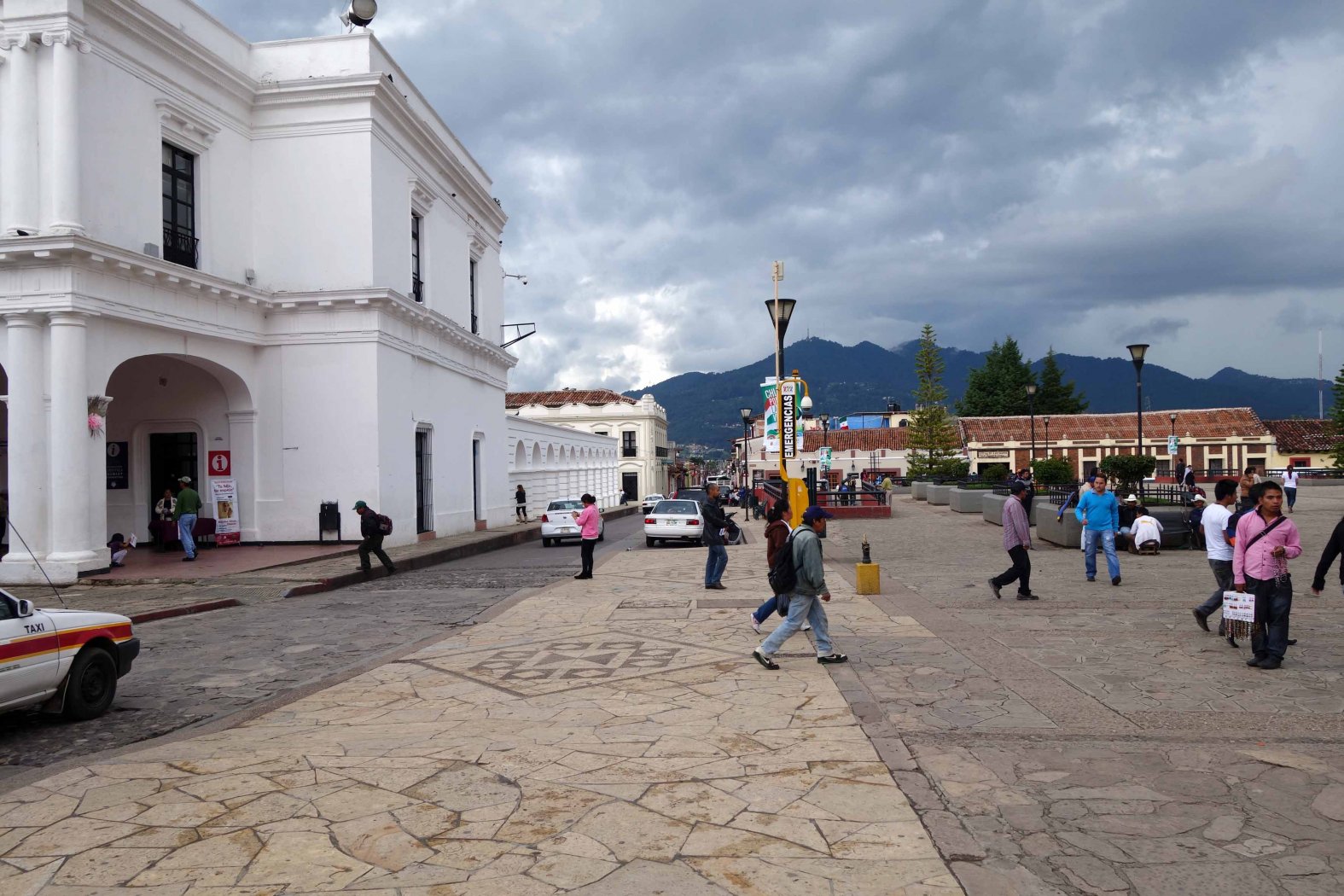
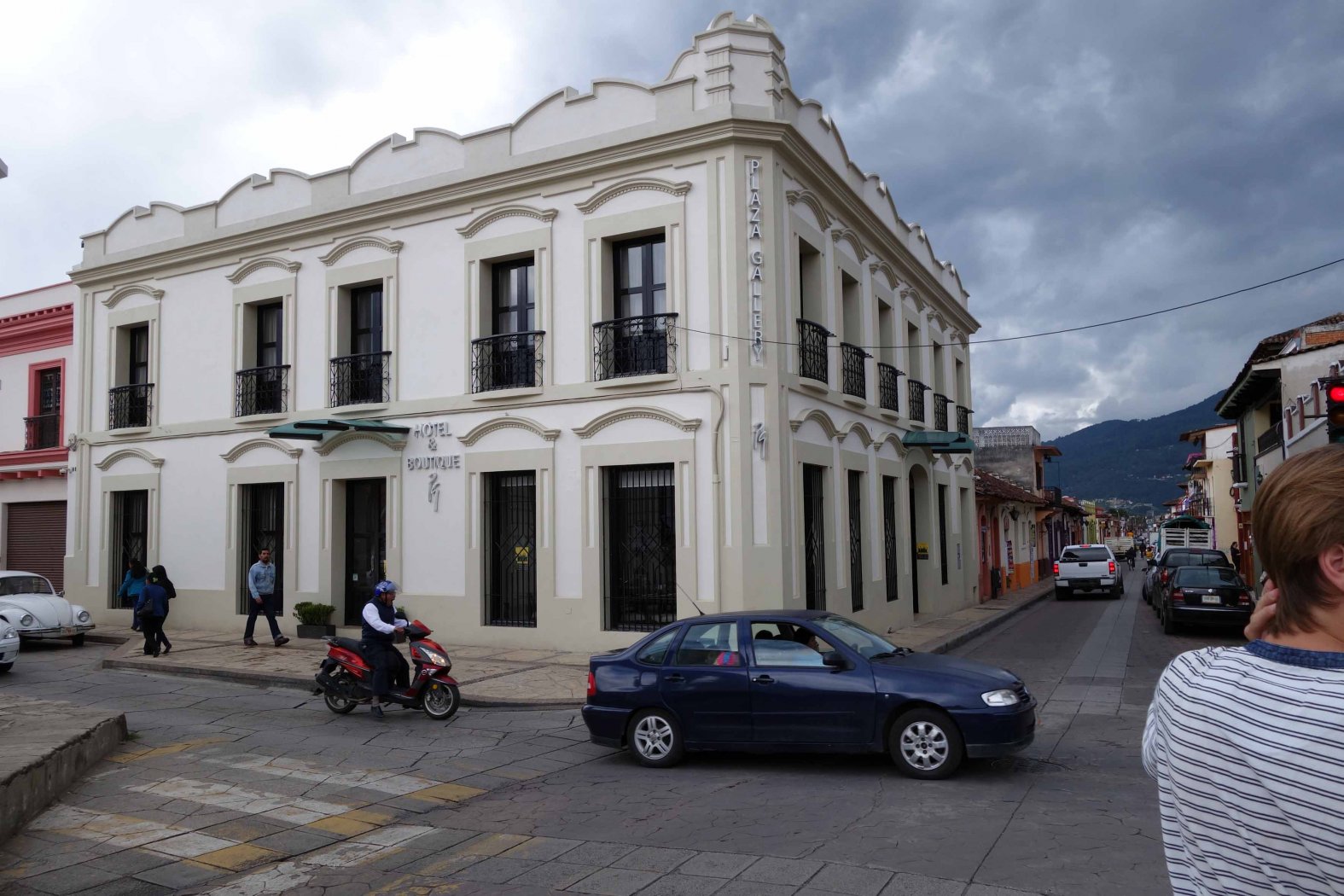
Herefter går det videre – igen i bjergene. Kl. 08.10 ankommer vi til San Cristobal og får hurtigt fat i en taxa som kan køre os til vores hotel. Vi er trætte og sultne og heldigvis kan vi få værelset med det samme og købe noget morgenmad. Både Jeanette og jeg har dårlig mave/mavekramper, men for mig hjælper det lidt at få noget mad og kaffe. Vi aftaler at gå op for at sove lidt, men Stig og Philip kan ikke sove. Det vælger senere at gå en tur ned i byen. Jeanette og jeg sover og det ender med at Jeanette også kaster op.
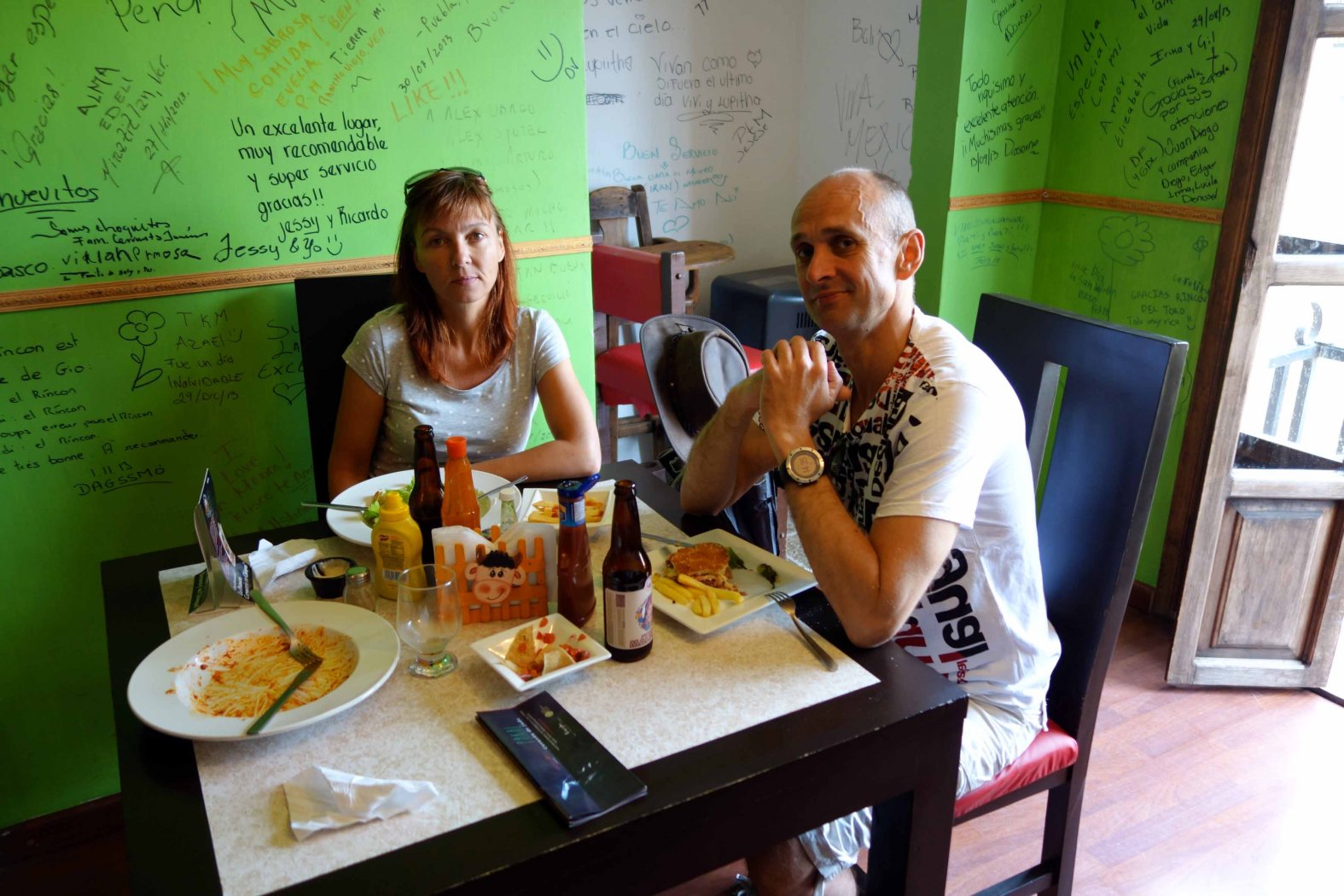
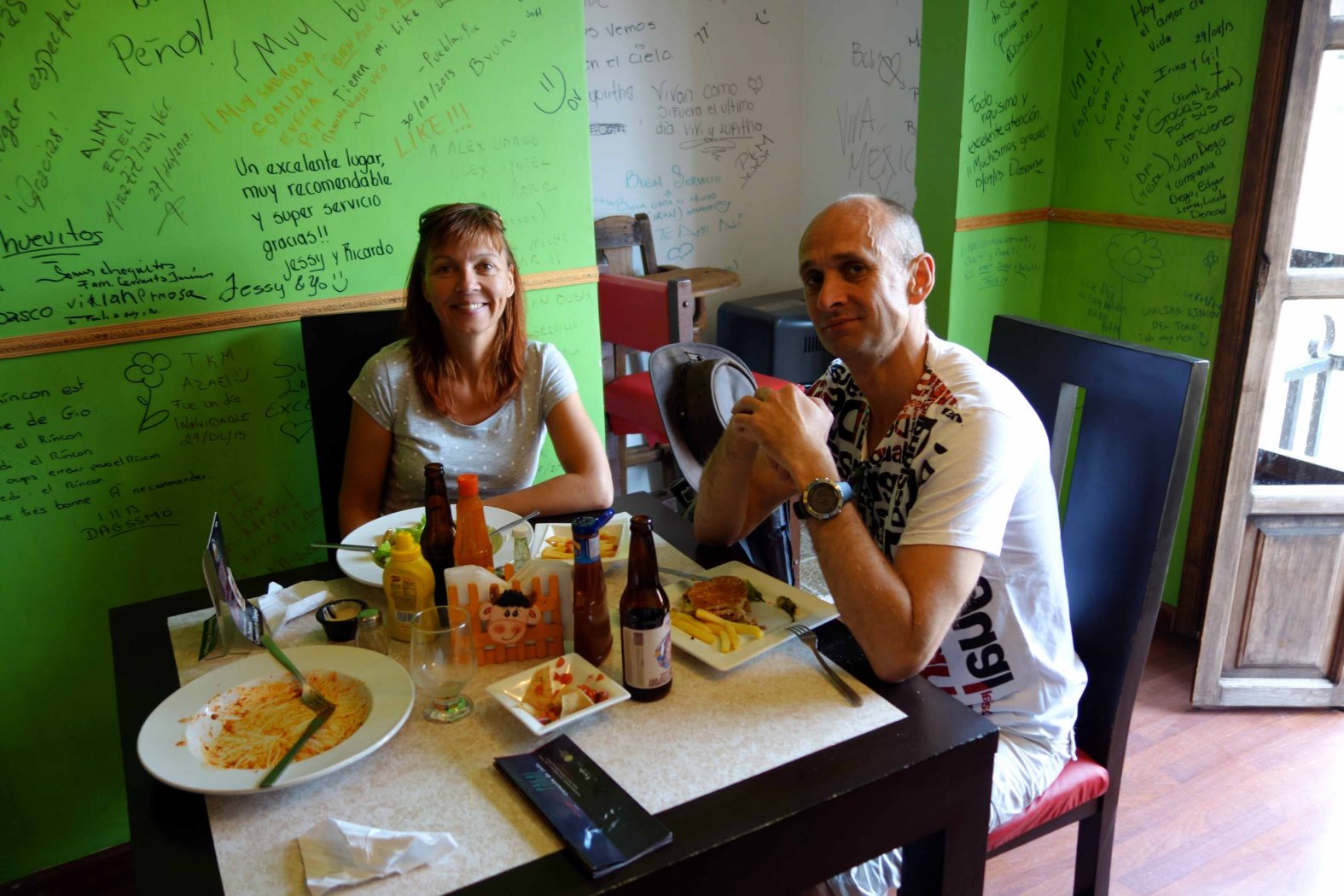
Jeg vågner kl. 13.00 og vi tager nu et bad og går lidt ned i byen. Jeanette vælger at blive hjemme, da hun slet ikke er på toppen. Mine mavekramper kommer engang imellem, men fint med noget frisk luft. Vi finder en lille café, hvor vi får lidt frokost og herefter går vi igen hjem til Jeanette. Stigs mave er nu også begyndt at rumle, så vi napper lige 1 time på øjet eller 2 :-). Philip går i lobbyen for at chatte med kammeraterne.
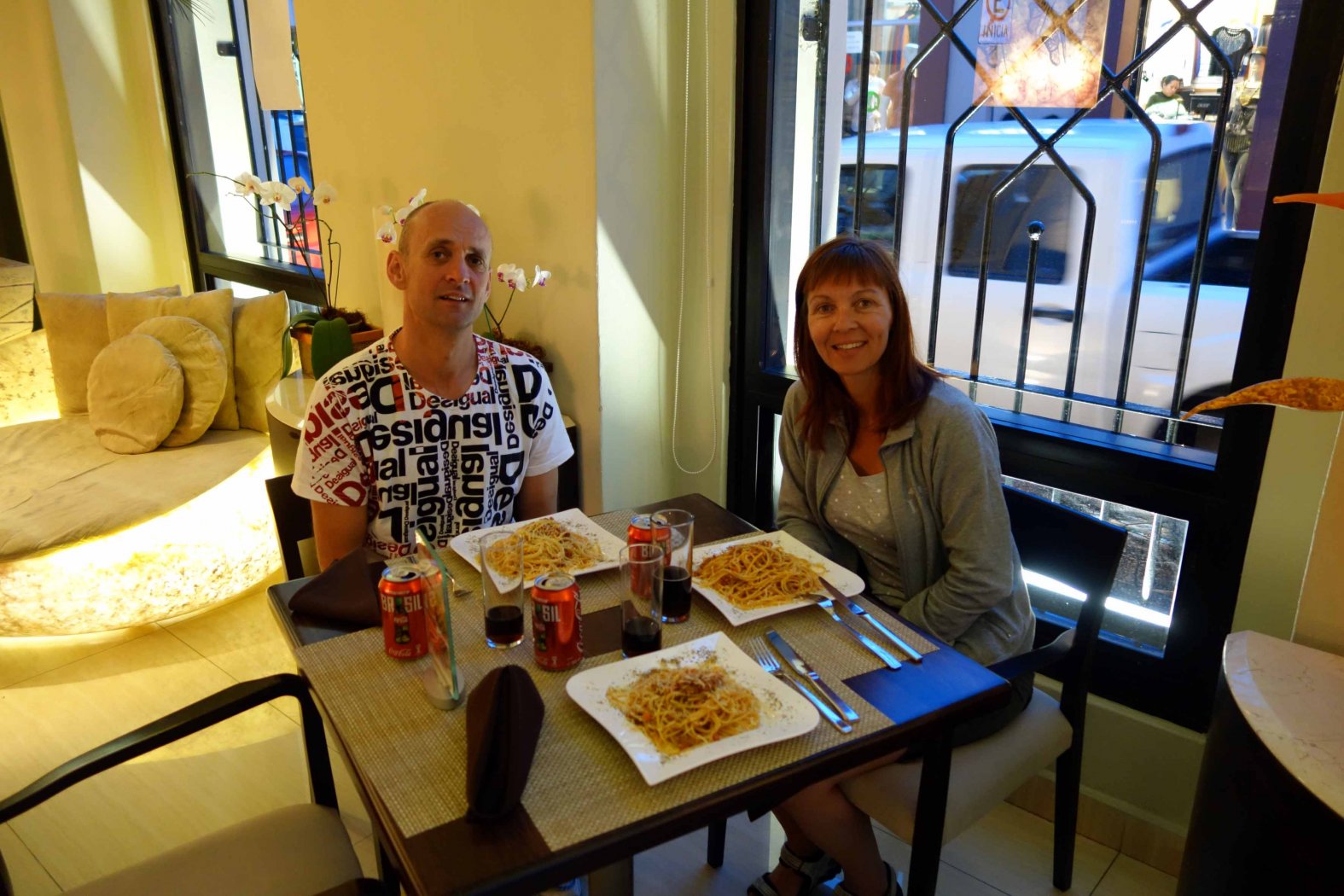
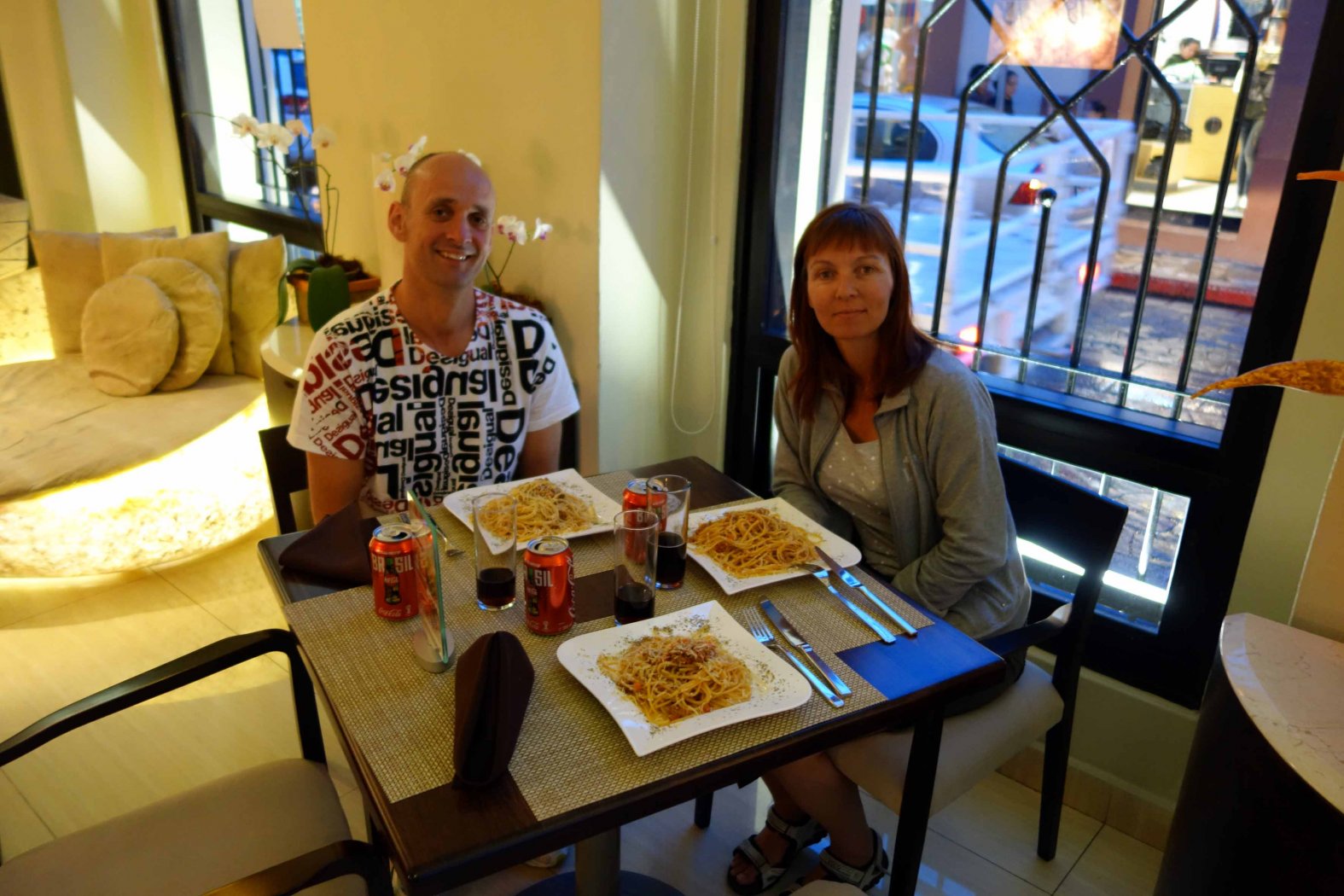
Aftensmaden foregår på hotellet. Jeanette er stadig ikke frisk og det er andre såmænd heller ikke. Vi bestiller alle spaghetti og en Coca cola dertil. Ja det sidste havde de åbenbart ikke i køleskabet, for tjeneren måtte en tur ud i regnvejret for at hente 3 stk.
Vi slutter aftenen af med at få en ekstra rulle toiletpapir fra receptionisten, da de 2 som var på værelset ikke var nok 🙂
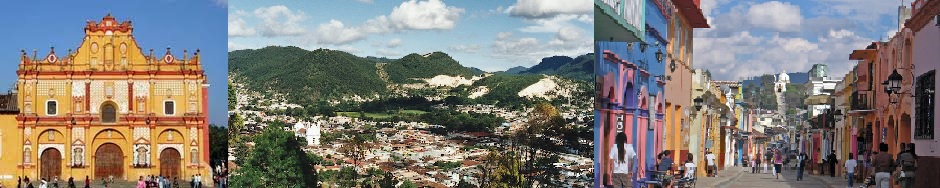
Go back in time in the picturesque colonial mountain town of San Cristobal with intricately carved church facades and original cobblestone streets where indigenous Maya women dressed in traditional costumes come together to sell their colorful handicrafts at the local street markets and dialects of the Maya language can be heard around every corner. Visit the nearby Tzotzil and Tzeltal villages of San Juan Chamula and Zinacantan where you will be amazed by the way the villagers in these towns preserve their ways of life so well. Learn about the Zapatista rebel movements throughout history and how the indigenous groups of the region have fought to survive through the Spanish conquest and continue to struggle against modernization and invasive tourism to preserve their religious beliefs and culture.
GETTING AROUND
San Cristobal is small enough that you can walk just about anywhere. You can also take the minibuses or micros that run along the main streets although they may be a bit slow going and can become overfull during high traffic hours. Authorized taxis can be called by your hostel and Sitio Taxis are also safe options (some have taxi meters and others do not, be sure to ask the approximate price before getting in). Use precaution when taking a taxi from the street and try to move around in groups of two or more. Leave your valuables at your hostel and take only the necessary amount of cash needed with you. Women travelers are advised not to take a taxi from the street alone. The OCC Bus Station is located about 10 blocks south of the main plaza on Insurgentes at the corner of the Panamerican Highway. You can walk or hop in a taxi outside the bus station directly to your hostel for between 30-50 pesos.
SIGHTS & THINGS TO DO
CATHEDRAL & PLAZA 31 DE MAYO: Visit the elegant cathedral with gold-leaf decoration and Miguel Cabrera paintings from the 18th century. Walk around the Plaza 31 de Mayo to see indigenous women and children selling artisan goods on the street corners, balloon vendors, ice cream carts, fruit carts, churro (fried dough) carts among other indulgences. The heart of San Cristobal is a great place to take in the vibe and watch the world go by.
IGLESIA DE SANTO DOMINGO & ARTISAN MARKETPLACE:a few blocks north of the main plaza stands Santo Domingo, famed as San Cristobal’s most elaborate church, with a particularly ornate and recently reconstructed facade that shines in the sunlight during the day and is lit up brightly at night. In the plaza surrounding the church you can find any indigenous artisan handicraft you could ever imagine alongside hemp necklaces and bohemian-style jewelry, clothes and braids… it’s definitely an interesting park to wander through.
CENTRO CULTURAL EL CARMEN: This 17th century ex-convent hosts modern photography, art and sometimes musical exhibitions in what was once the gateway to the city next to a peaceful garden and colonial building. Swing by to see what is going on.
MUSEO NA BOLOM: Meaning “Jaguar House” in the native Tzotzil language, this 19th century house was once the residence of Gertrude Duby-Blom, Swiss photographer and anthropologist who worked to protect and learn about the Lacandon Maya indigenous group living in southern Chiapas, and Frans Blom, Danish archaeologist who explored Maya archaeological sites such as Palenque and Tonina. The couple worked to document and preserve the Maya culture leaving behind a 9,000-book library, museum, research center and bed and breakfast with an organic garden. (www.nabolom.org)
MUSEO DE LA MEDICINA MAYA: Situated just north of town this interesting museum, medicinal plant garden, herbal pharmacy and treatment center gives visitors an in-depth look at the traditional Maya system of healing and medicine with an exhibition of a cleansing ritual and childbirth facilitated by a midwife. Learn about the mystical Maya ways of cleansing and healing. (www.medicinamaya.org)
MUSEO DE AMBAR:Learn about the famous Chiapan amber, made from over 30 million year-old fossilized pine resin in a diverse variety of colors and shapes, with or without insects or cracks. Buy a piece of intricately carved amber jewelry from the on-site store (www.museodelambar.com.mx)
MUSEO DE CAFE: A museum and cafe dedicated to the history of the coffee cultivation and trade in Chiapas with a look at the corporate beginnings to the modern day cooperative made up of almost 20,000 indigenous coffee farmers. Taste a cup of fresh organic coffee and contribute to the hard-working indigenous farmers of this coop.