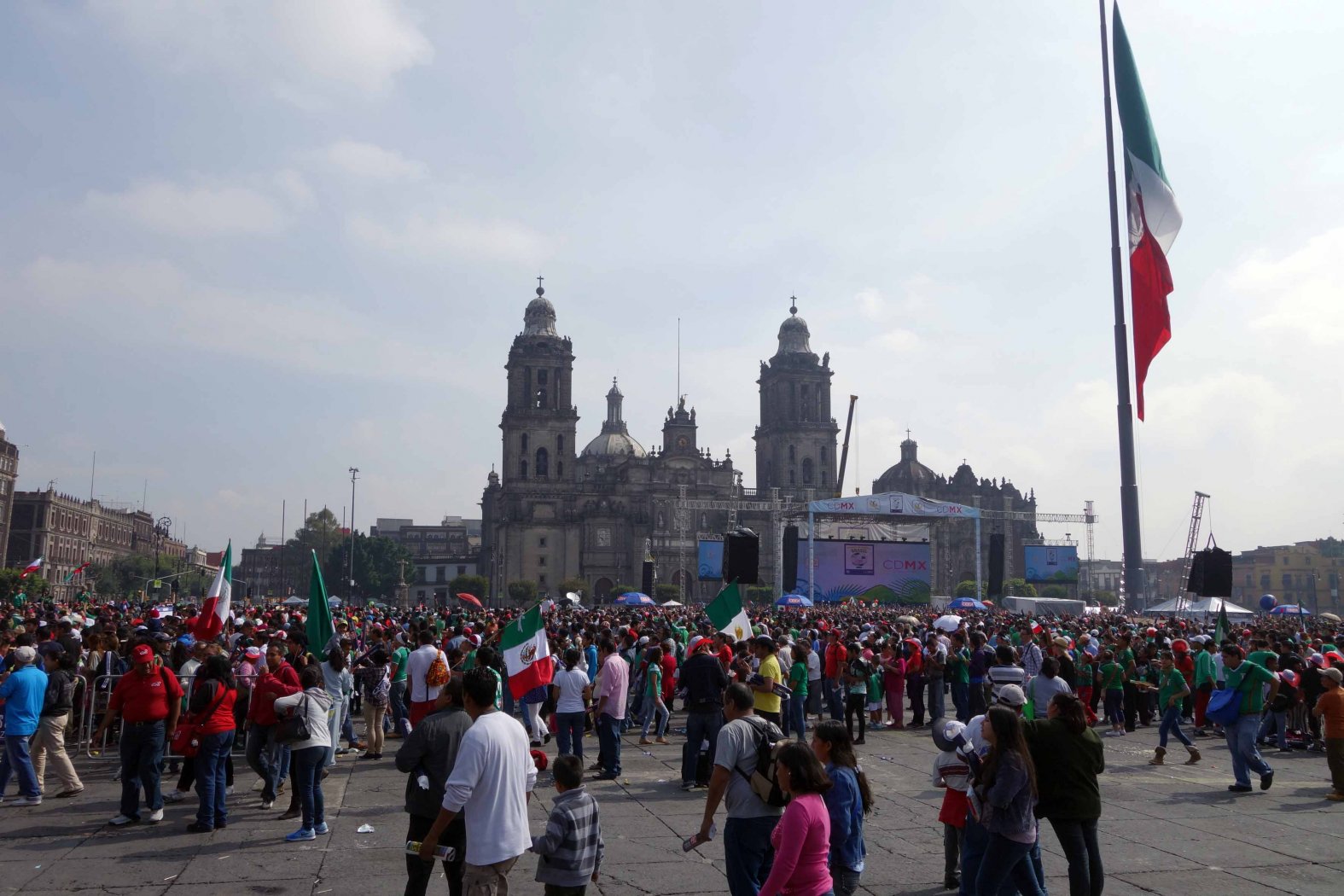
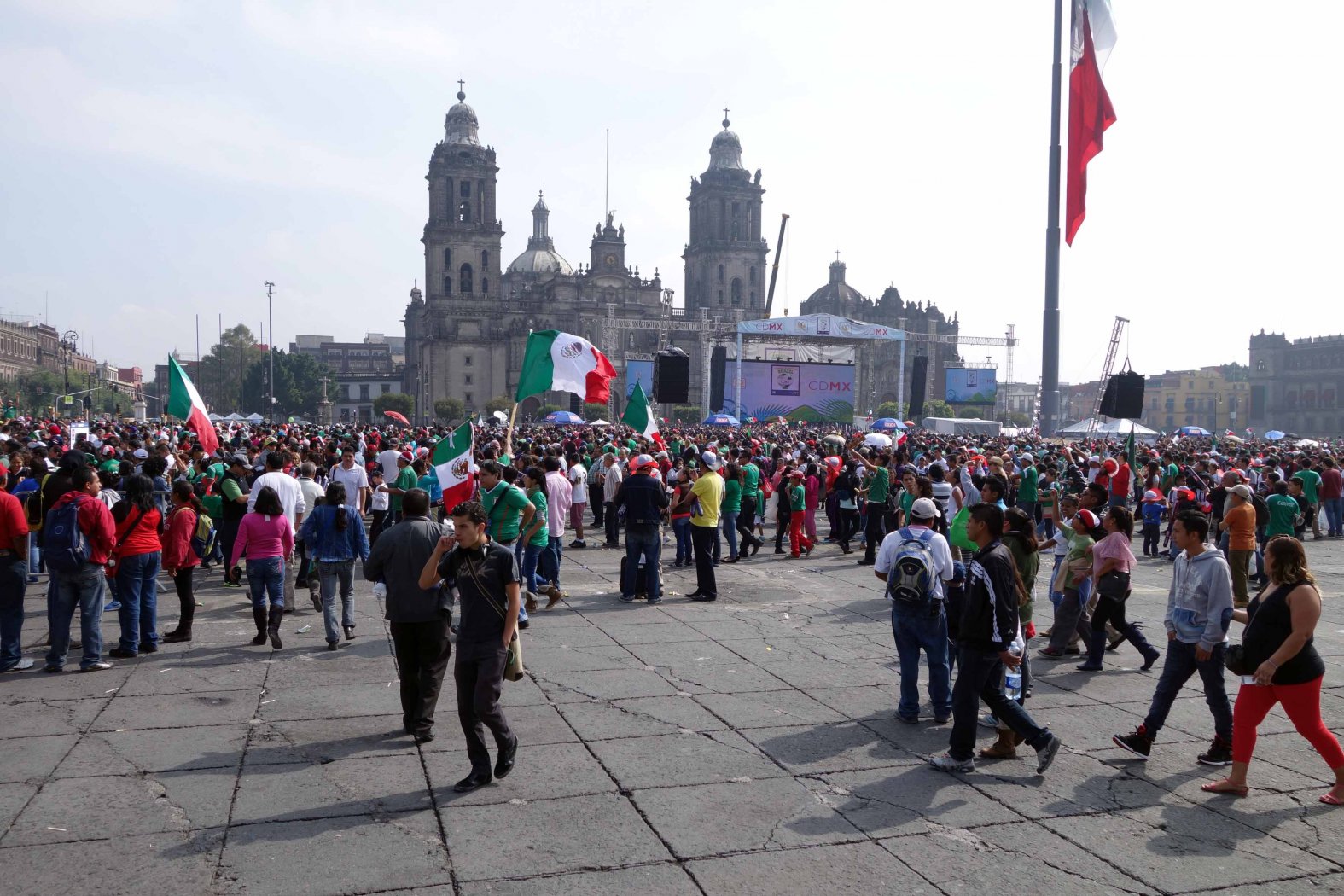
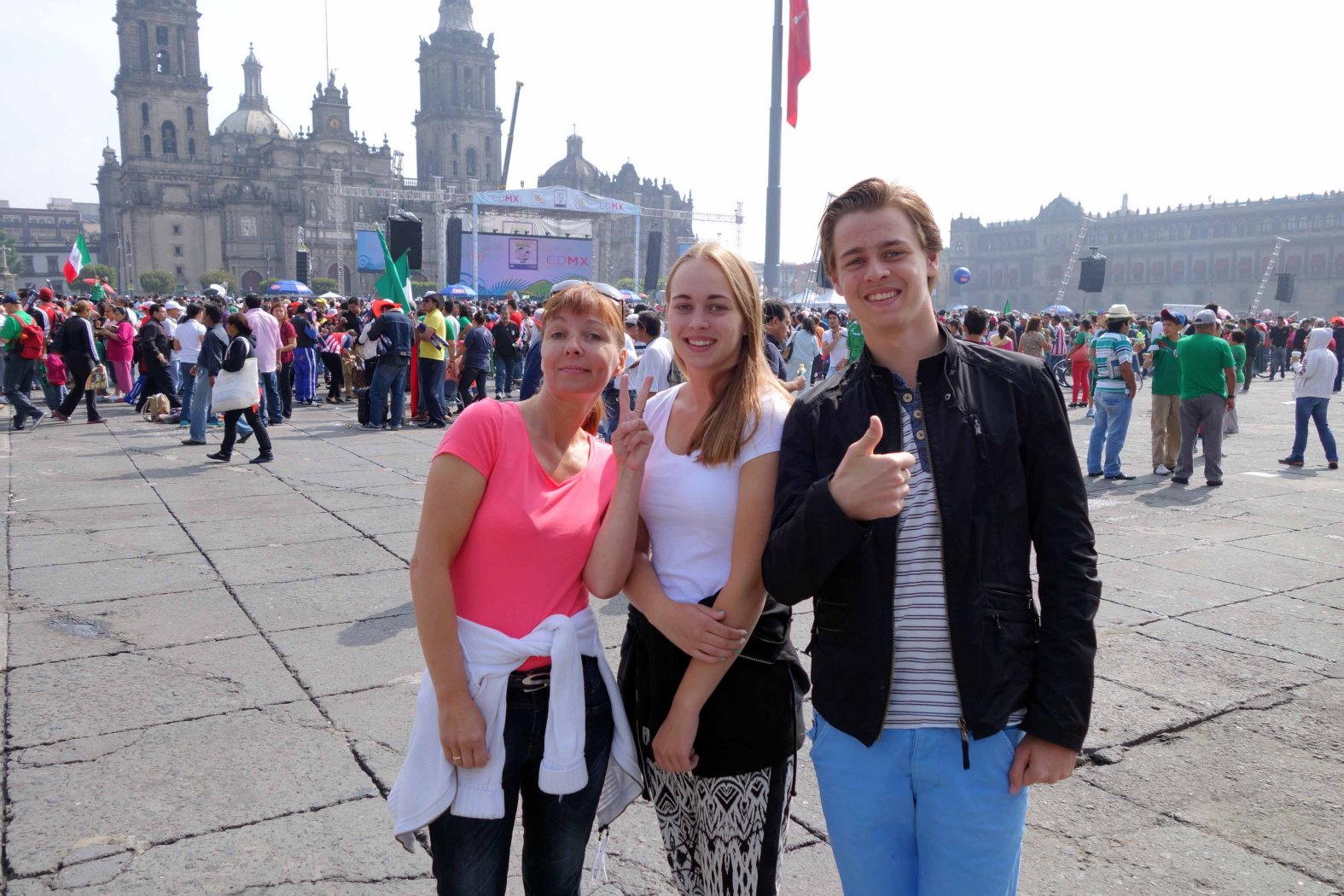
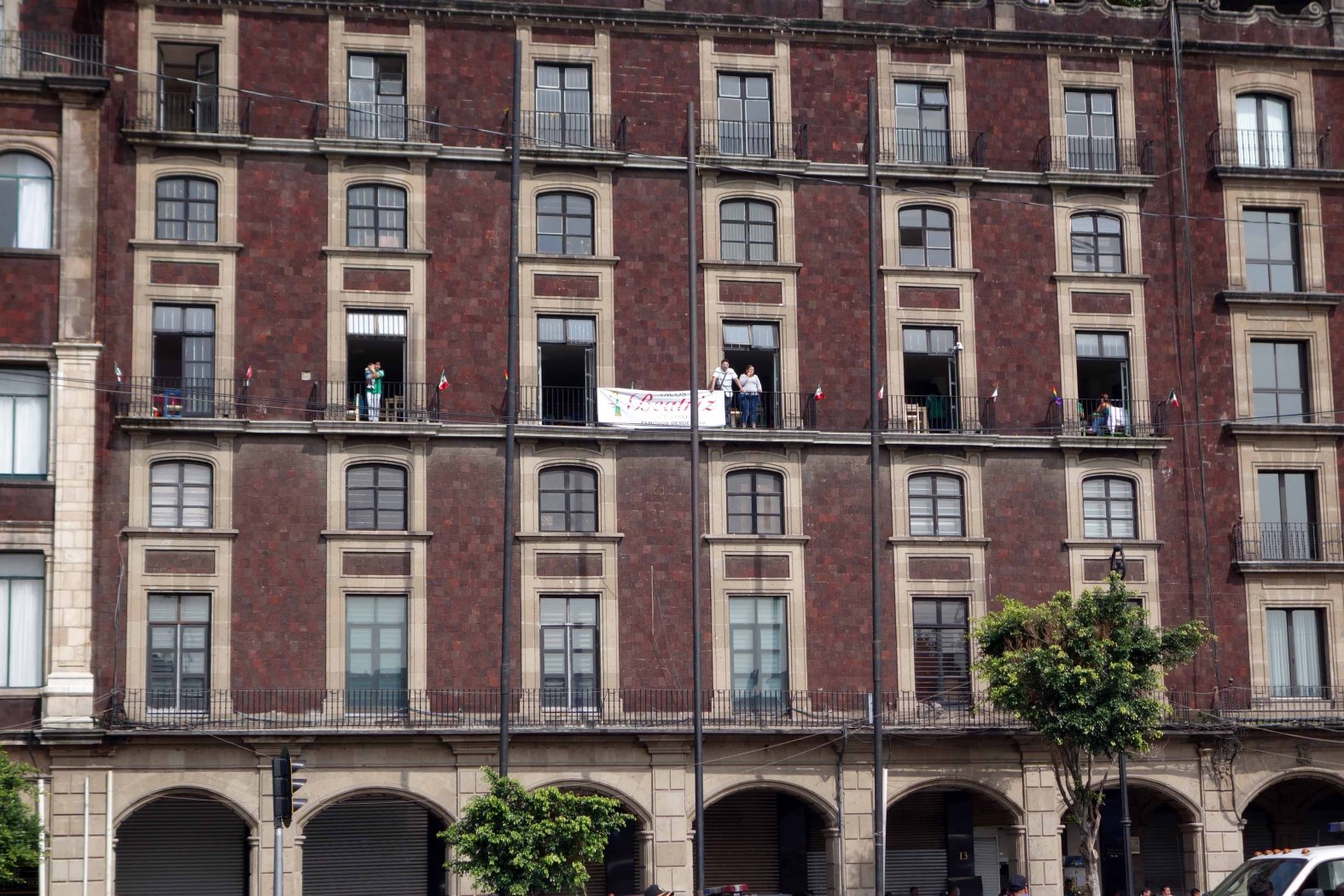
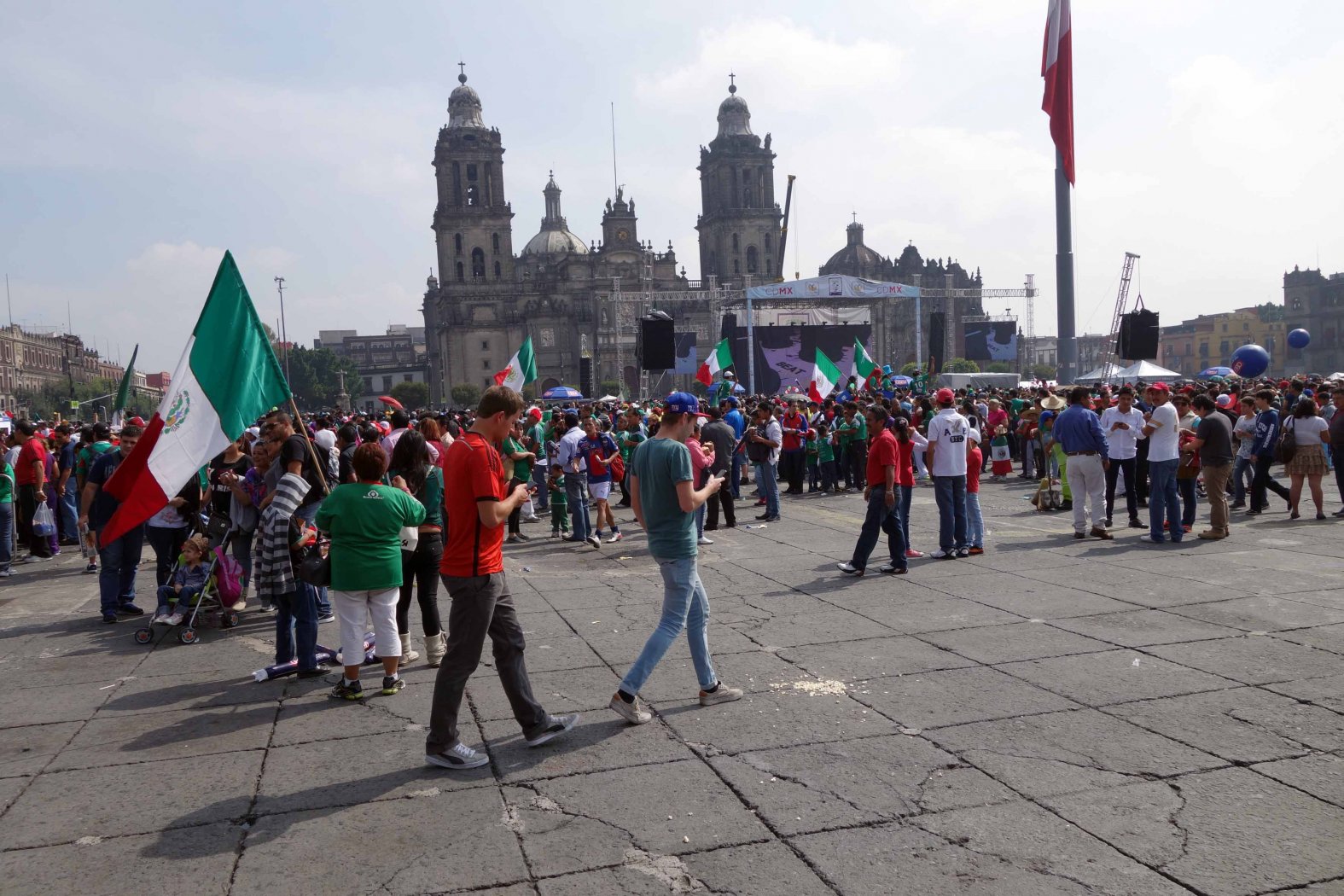
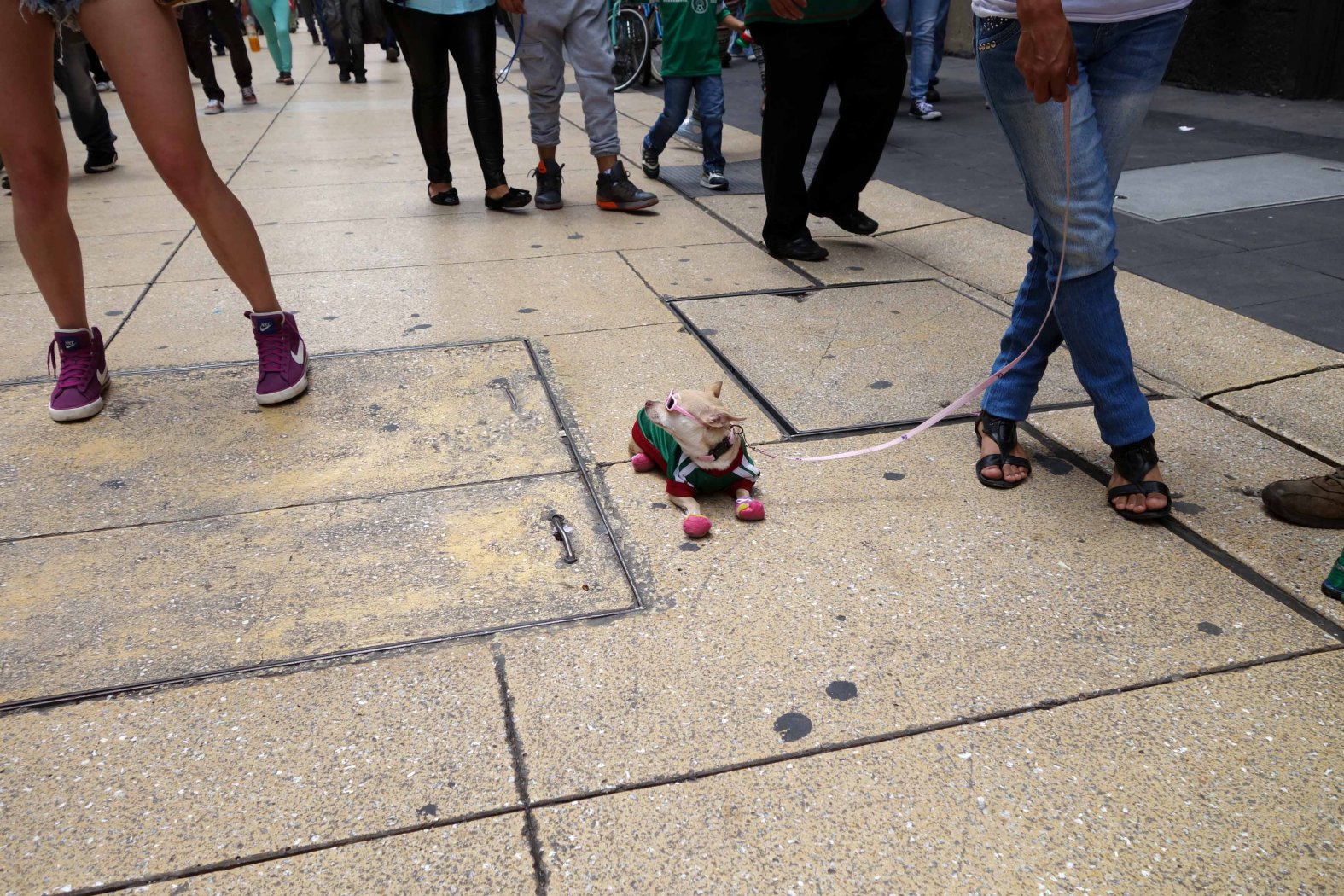
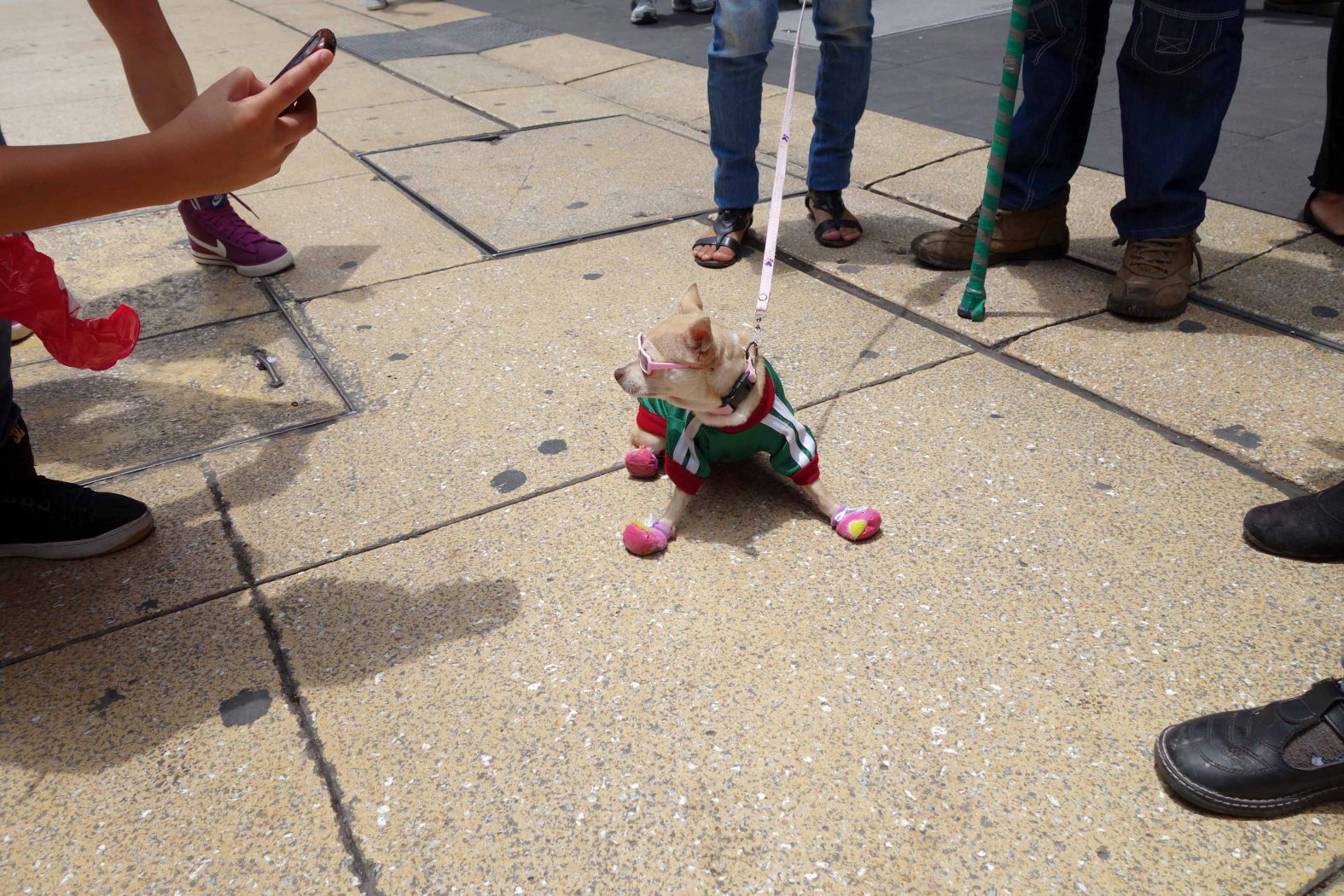
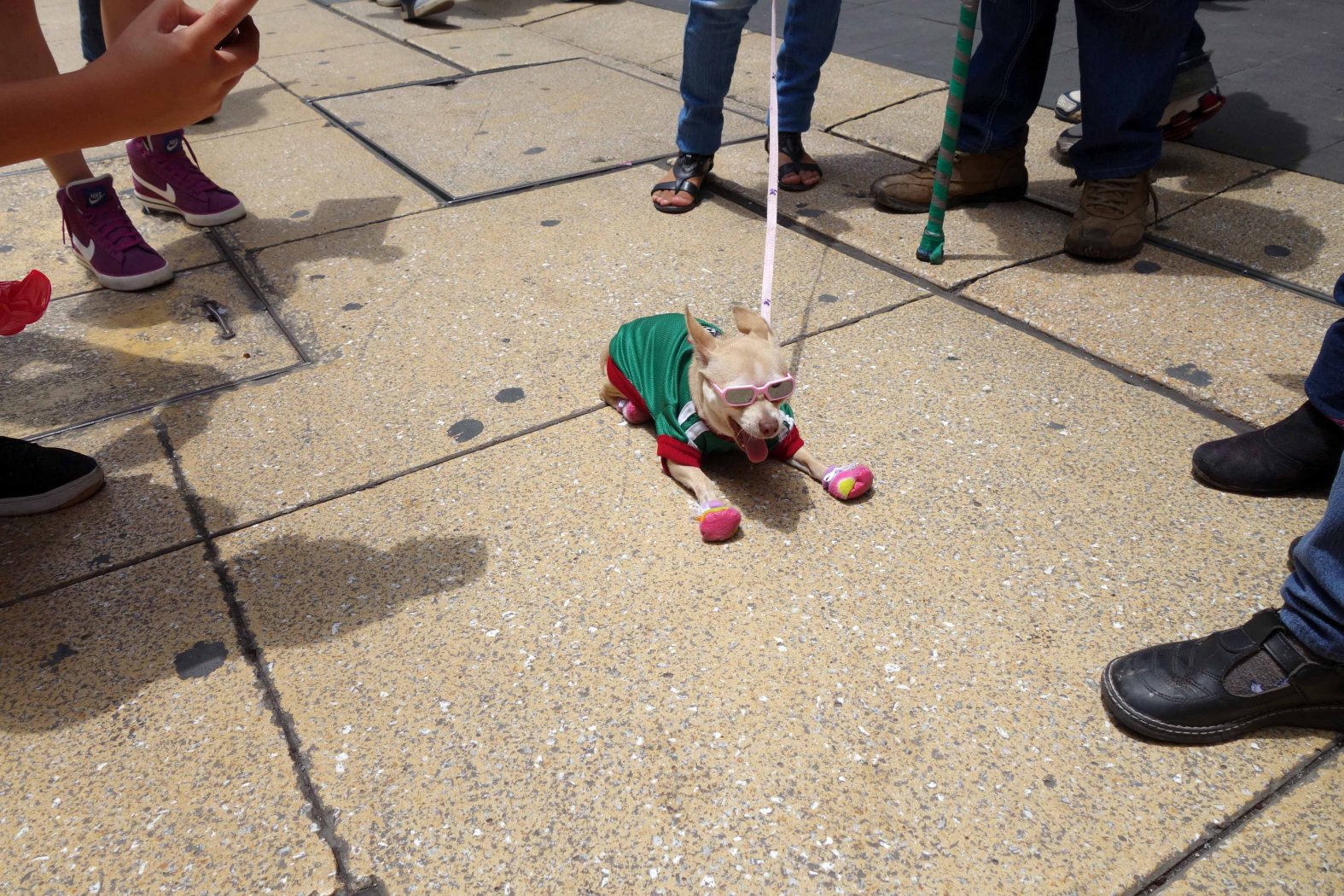
Vores indre vækkeur er med os i Mexico, så vi er tidligt oppe. I dag er det fodbold dag! Inden morgenmaden fik vi lavet en videobesked via Skype til bedstefar og fik ringet til bedstemor og bedstefar via skypebook. Herefter ned til endnu et fantastisk morgenbord. Mange sad med den mexicanske fodboldtrøje og andre havde flag. Vi talte med et ældre par fra Mexico som også var på rundtur. De havde endnu ikke besluttet sig for hvor de skulle se kampen. Vi ville i første omgang gå på den store plads hvor der var storskærm. Kampstart var kl. 11.00 og solen skinnede fra en skyfri himmel. Puha det var varmt, men så kom der én som delte is rundt fra Nestlé. Det friskede lidt op. Det varede ikke længe før pladsen var godt fyldt op og vejene omkring pladsen var også fyldt med glade mexicanere. Det var en storslået oplevelse og jeg ville jo gerne fotograferes med én af de glade fodboldfans, men nej, det ville være for pinligt for Jeanette og Philip, så det blev ikke til noget.
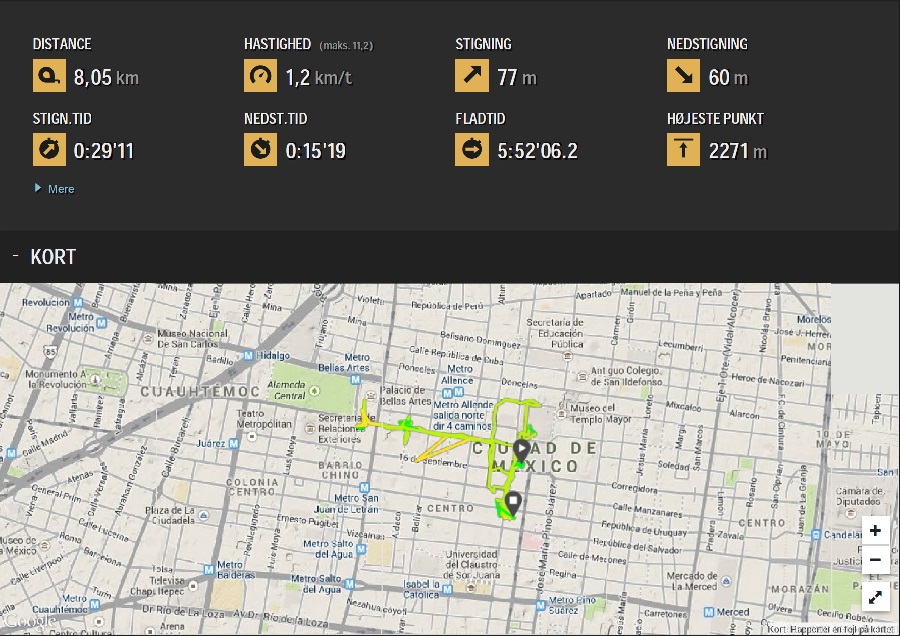
I halvegen gik vi tilbage til hotellet for at skifte til shorts og få noget faktor 50 på vores lyse hud. Stig og Jeanette fik nu brug for deres hjemkøbte hatte fra Australien. 1-0 til Mexico – vi så desværre ikke målet, da vi var på vej tilbage på pladsen – øv øv – Sikke en stemning der nu var. Det gik dog desværre over da Holland scorede til 1-1 og herefter til 2-1, så blev lyset slukket. Vi forlod pladsen og gik til gågaden. Stig havde dagen før set Sears og ville gerne ind og kigge i centret. På vejen op af gaden kom glade mexicanere imod os. Der var musik, dans og sang – var vi gået glip af noget – havde de alligevel fået et mål og herefter forlænget spilletid? Vi kunne hverken komme frem eller tilbage så mange mennesker var der. Der blev smidt armbånd og andet ud fra vinduer som blev samlet op af de glade mexicanere. Jeg spurgte mig frem til hvorfor de var så glade og 3. gang lykkedes det at få et svar fra en som kunne en smule engelsk. De havde tabt, men det var typisk Mexico at fejre det alligevel.
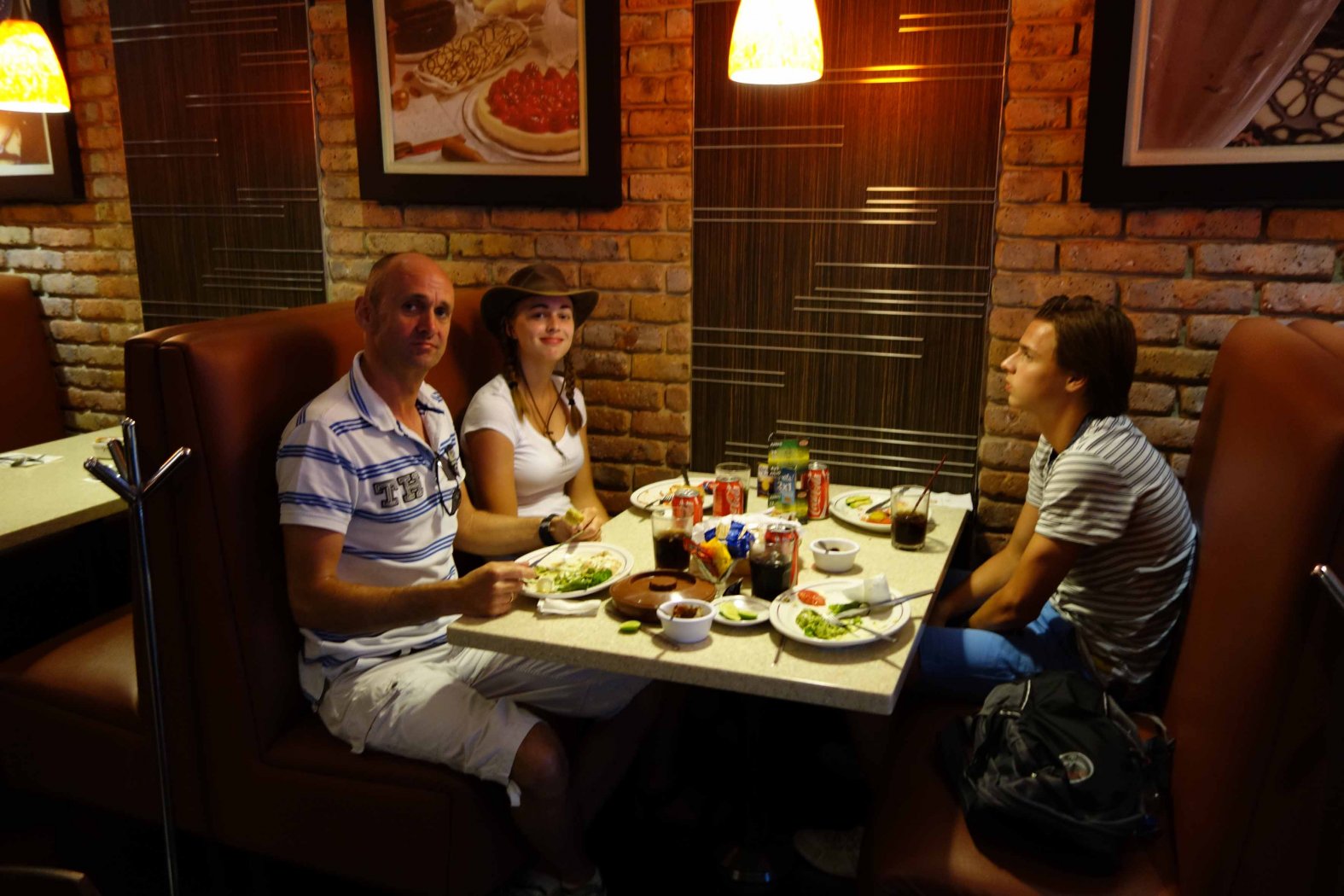
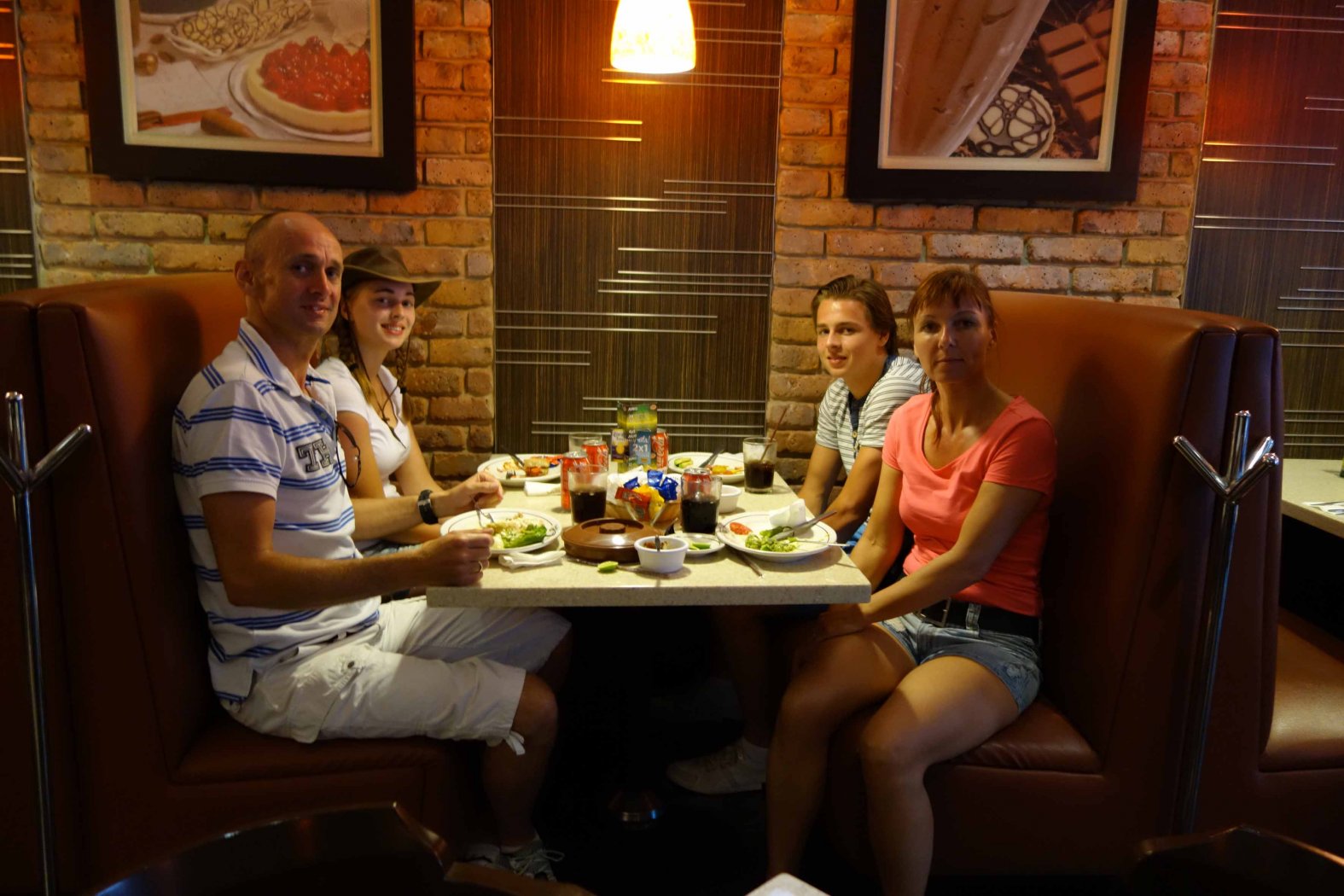
Det var ved at blive eftermiddag og vi skulle finde et sted at spise. Vi valgte at gå hen til vores hotel, hvor der var en restaurant ved siden af. Endnu engang var der kun et spansk menukort, men Jeanette og Philip kunne bestille hamburgers og Stig og jeg fik pandekager med kylling og bøf.
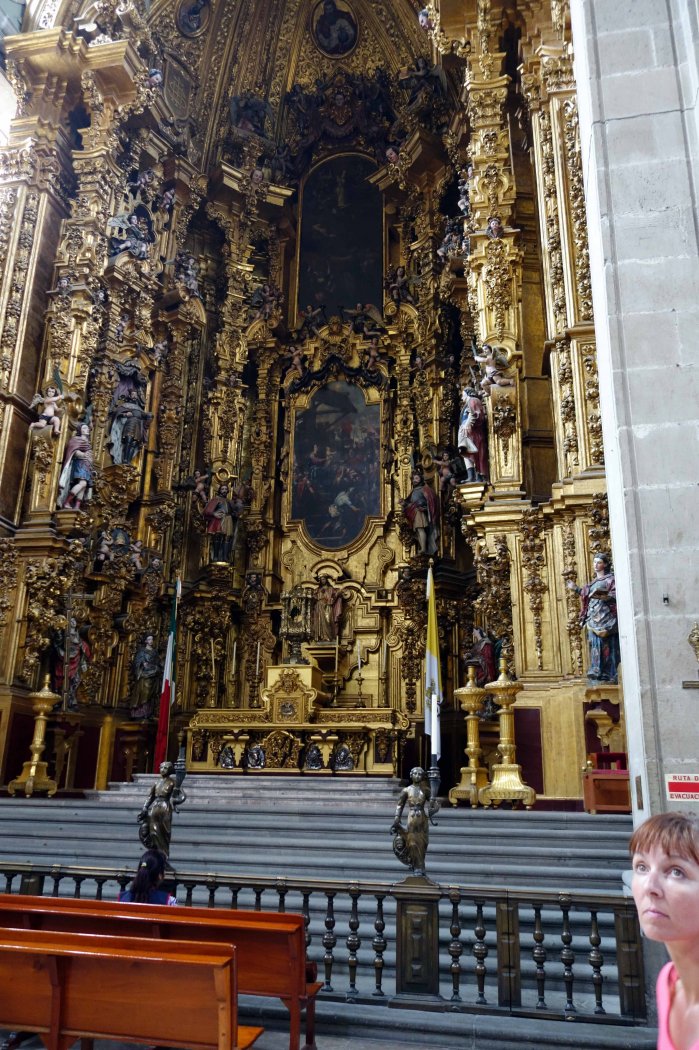
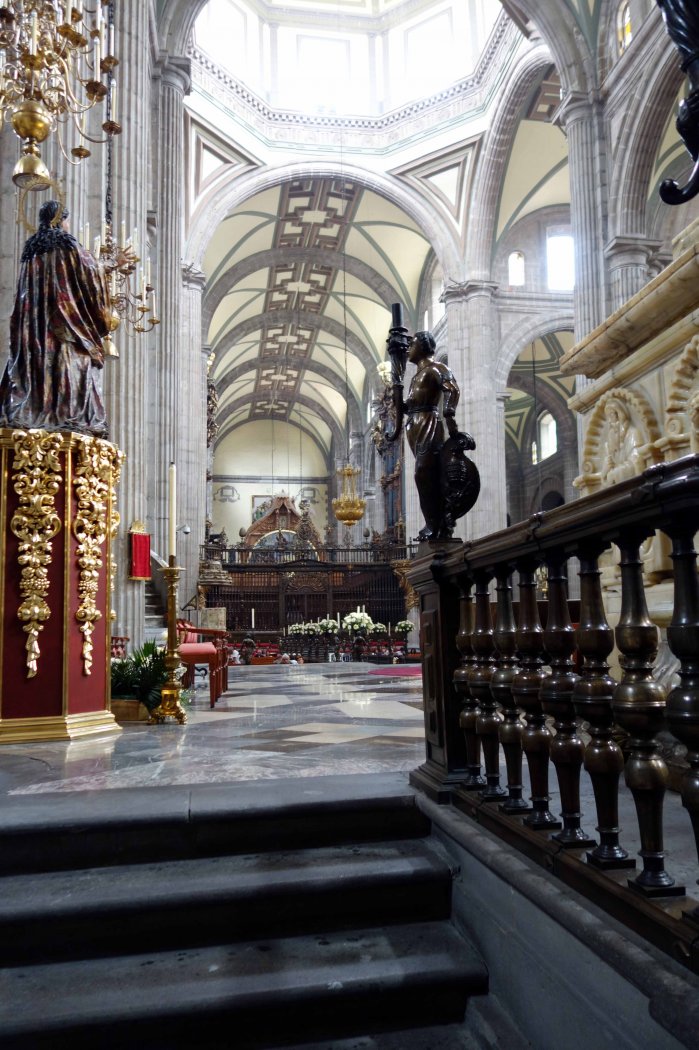
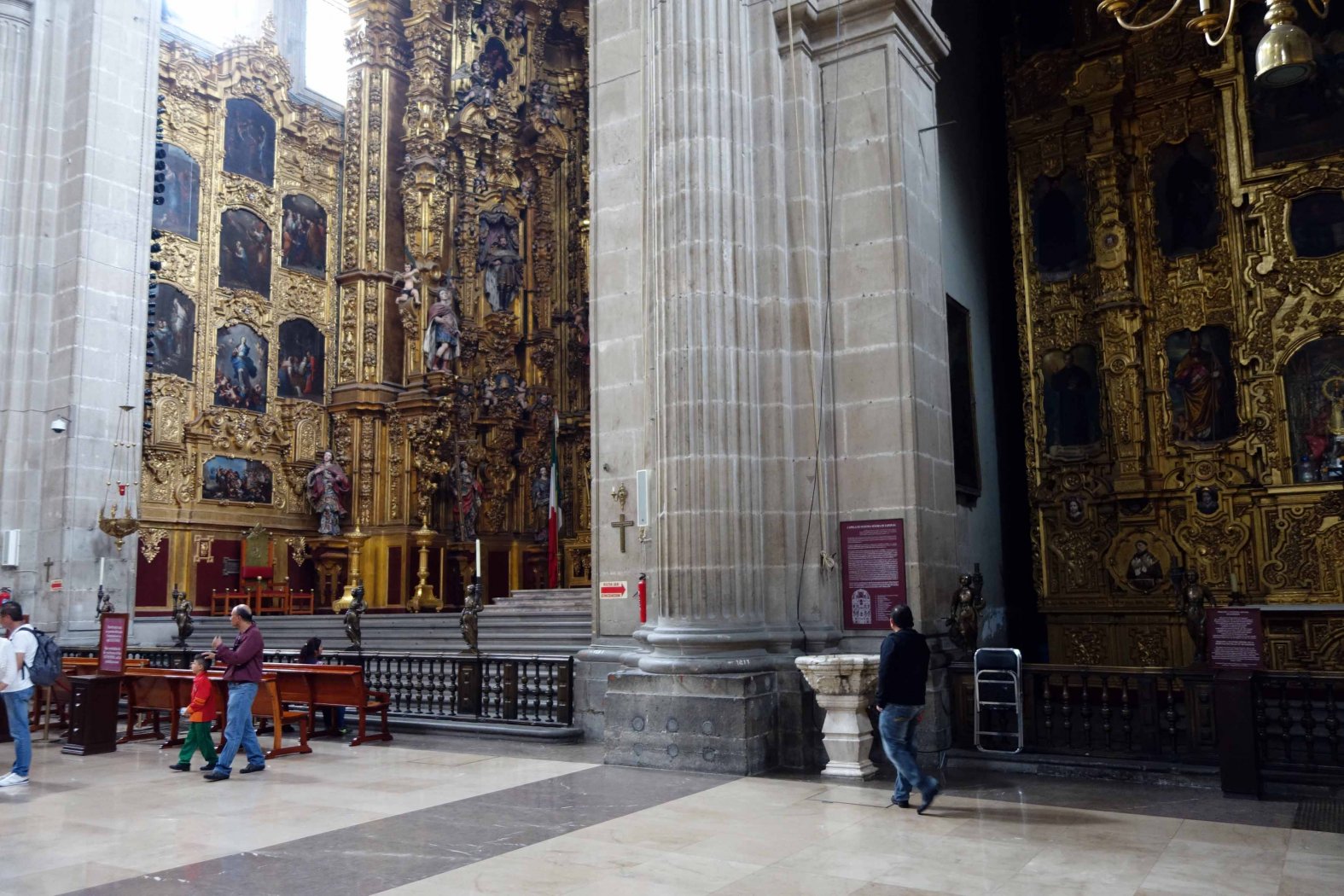
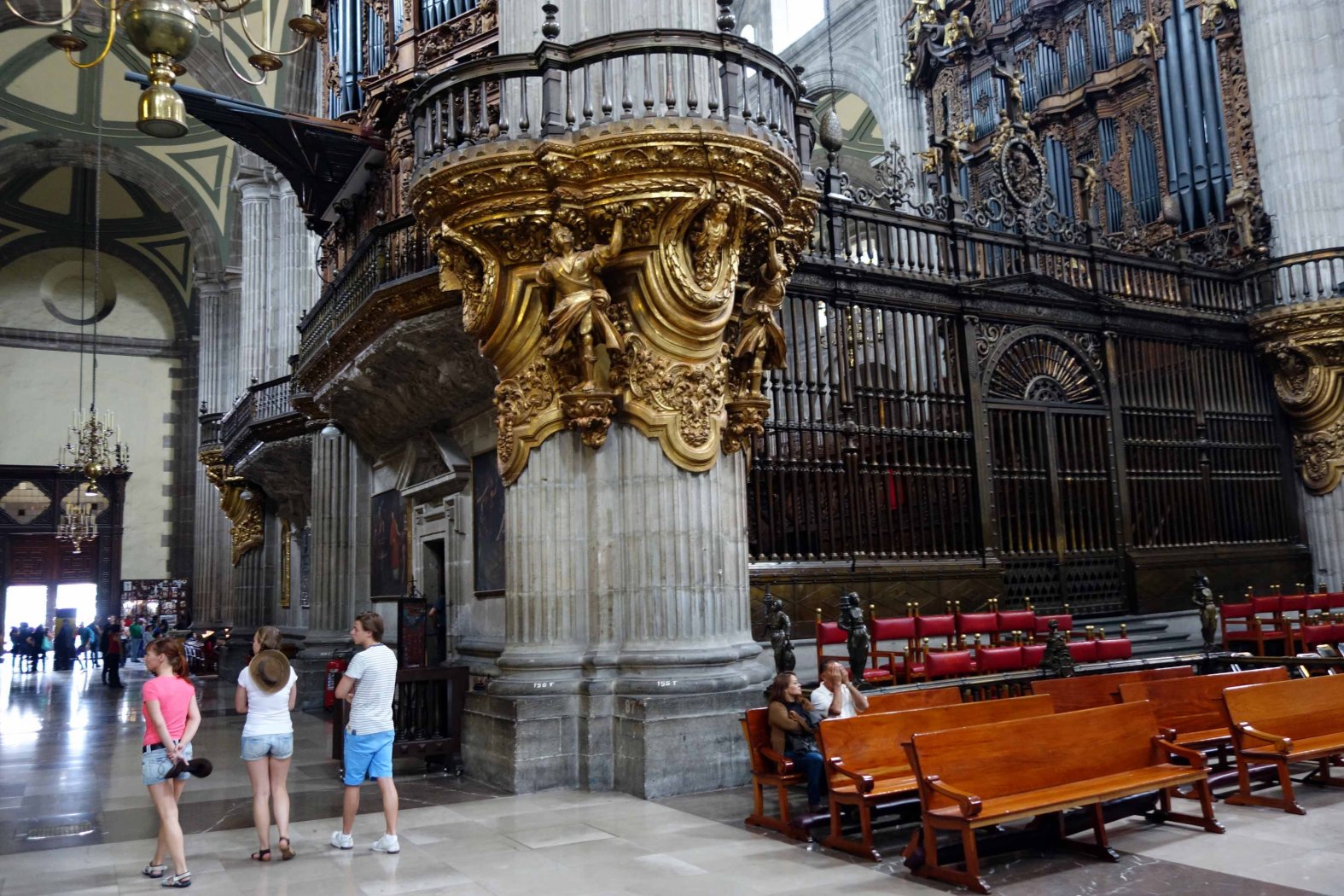
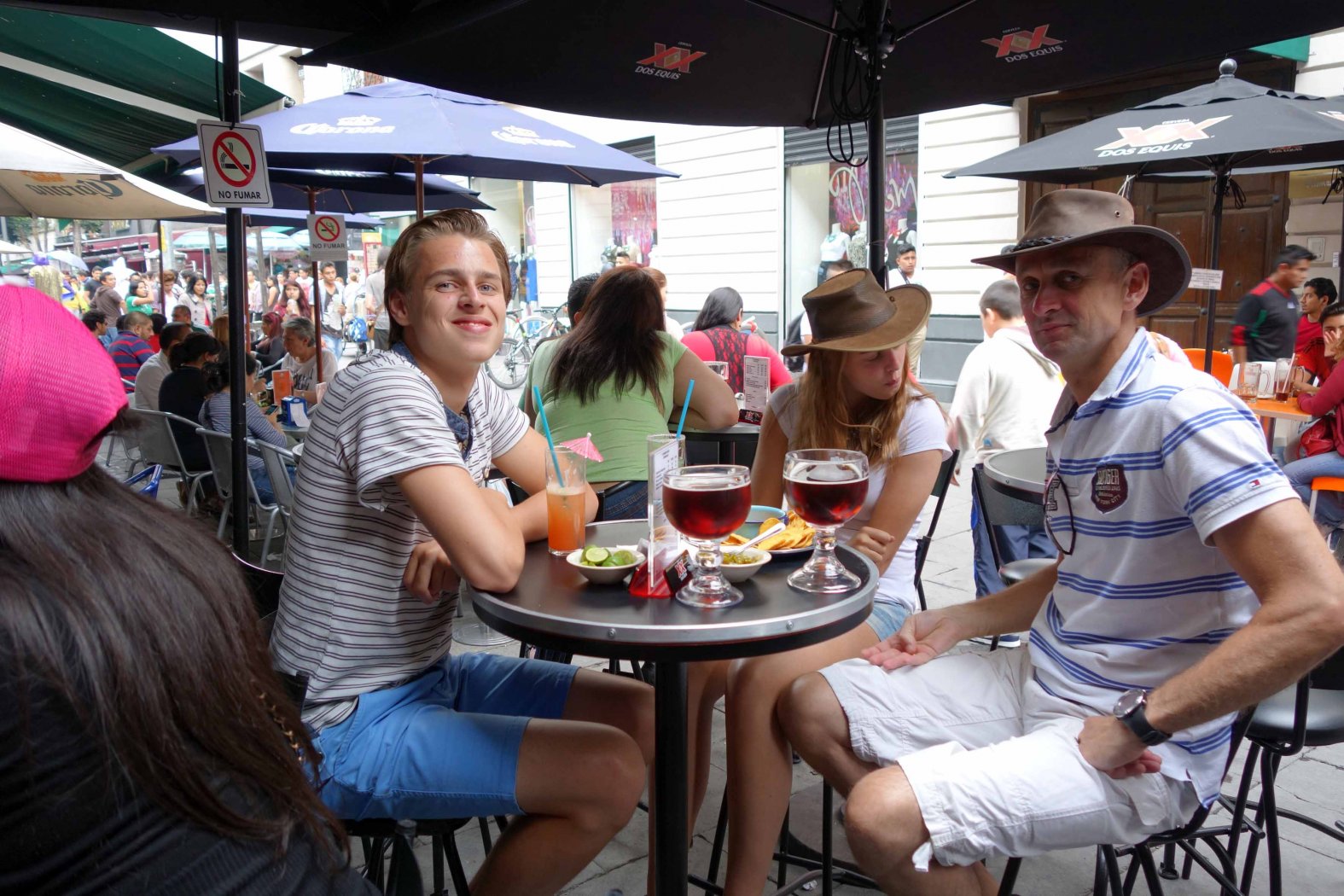
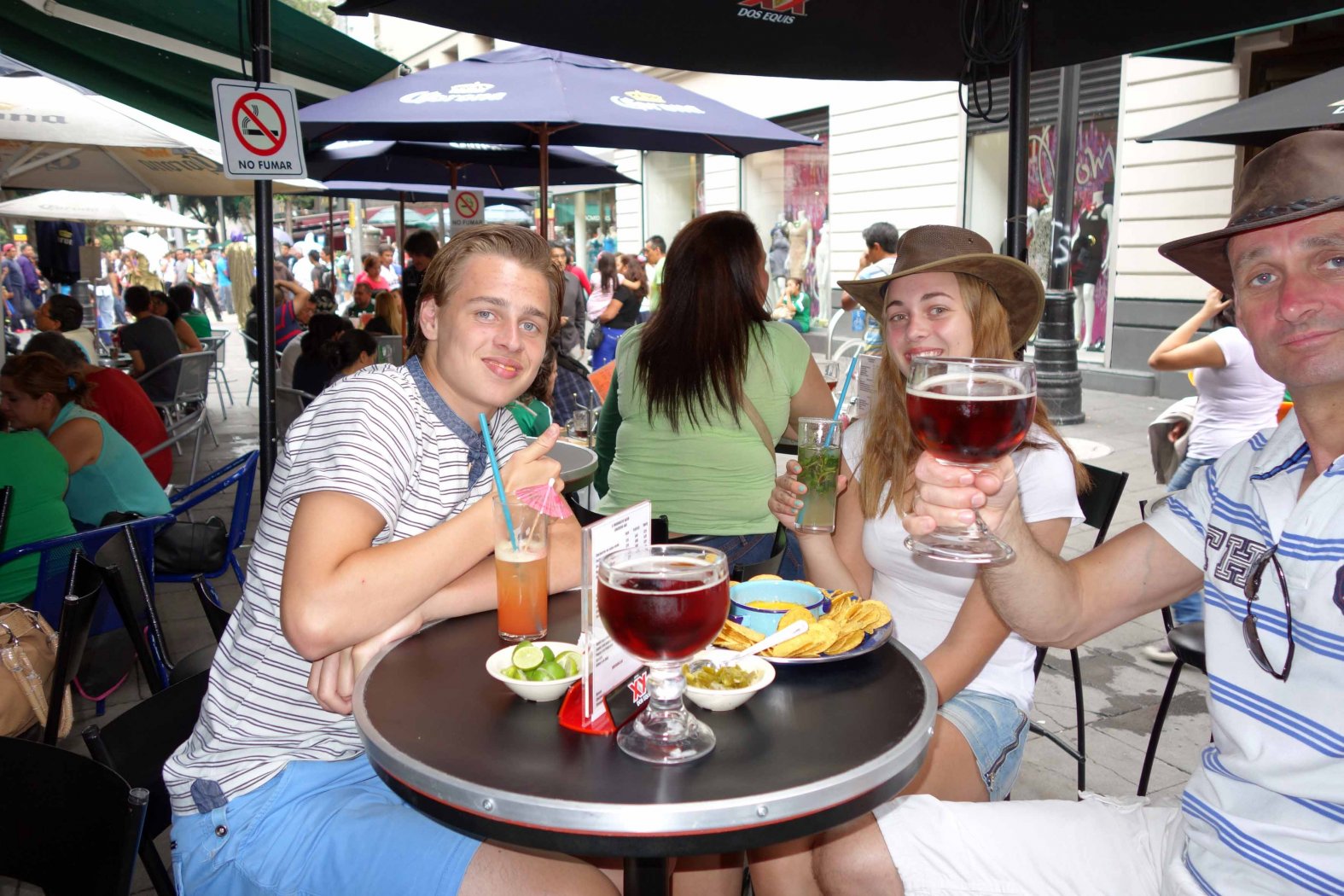
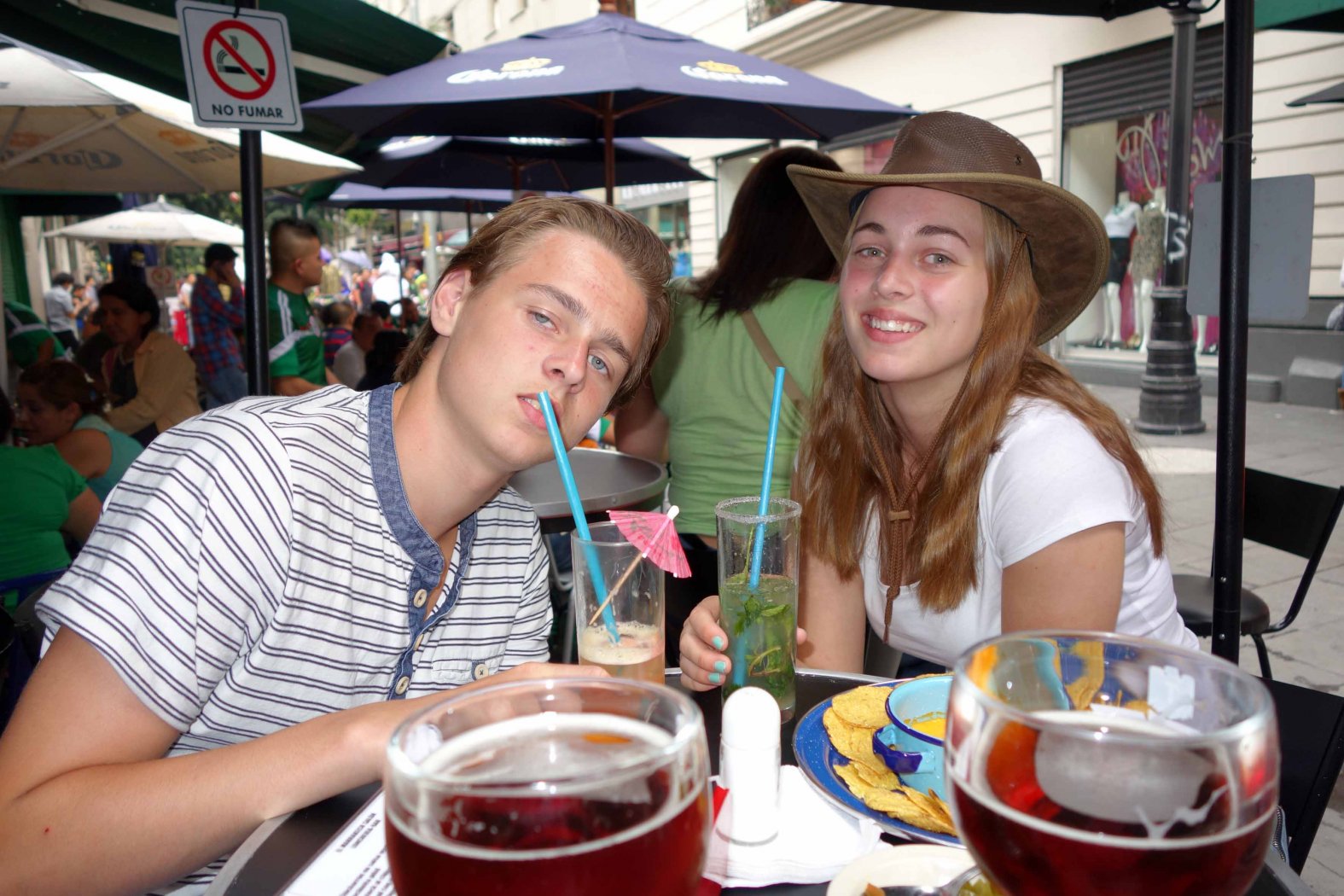
Katedralen skulle herefter udforskes. Der var rigtigt flot derinde, men igen så ødelægges lidt at det smukke ved at der ved udgangen sælges souvenir. Vi skulle herefter have været på museum, men fandt det ikke og valgte derfor at gå lidt rundt i gaderne. Vi fandt en bar, hvor vi kunne få lidt at drikke – 2 dejlige mørke fadøl, 1 sex on the Beach til Philip og 1 Mojito til Jeanette. Hertil taco med flydende varmt ost.
Det var nu sidst på eftermiddagen, ja faktisk først på aftenen og det begyndte at regne. Vi gik retur til hotellet og slappede af. Vi var stadig mætte efter vores sene frokost og valgte derfor at blive på værelset. Stig og jeg gik senere ned for at købe lidt brød og drikkevarer. Dagen sluttede med en friskbagt bolle, kiwijuice og vand. Det var også dagen, hvor vi skulle starte på vores malaria piller.
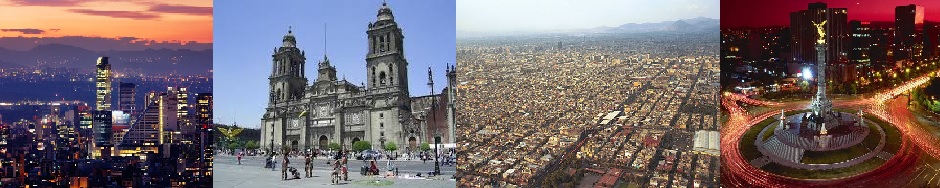
Mexico City is the capital of Mexico and the country’s largest city with over 25 million inhabitants throughout the metropolitan area. It’s a melting pot of indigenous Aztec and Maya cultures with international and modern twists found in the city’s museums, archaeological sites and quaint European-style neighborhoods. Here you can find the excavated Aztec Templo Mayor peeking out from underneath the city’s Spanish-built Cathedral in the heart of the city’s historic city center. Venturing out towards the trendy neighborhoods of Polanco and Condesa modern glass-walled buildings and sleek Starbucks cafes line up along European style sidewalks and plazas while marimba and mariachi music can be heard playing in the background.
A multicultural experience, you will find mouth watering traditional Mexican cuisine, international fusion cafes and a wealth of museums and cultural activities including the world famous Mexican “lucha libre” free-style wrestling or a real-life “rodeo” experience. Mexico City is worth spending a few days to explore the huge metropolis with time to head out to Teotihuacan pyramids and Xochimilco canals for an introduction to Mexican history and culture. If you get overwhelmed with the city, the lovely “Bosque de Chapultepec” is a nice place to walk around and have a picnic lunch or escape to the tranquil neighborhoods of Condesa, Coyoacan or San Angel for the day. Despite Mexico City’s reputation for crime and smoggy air, you will find that this great city offers an endless number of things to do, see and taste… give it a chance and you might find that it begins to grow on you.
GETTING AROUND
Mexico City is a huge place and although you can walk most everywhere in the historic city center, you may check out the extensive underground Metro system (Click here to view Map of Mexico City Metro) or MetroBus which runs along main avenue, Insurgentes (Click here to view Map of MetroBus) to go further distances at a low price (Metro $3 pesos; MetroBus $5 pesos). In the metro you can purchase paper tickets as you enter, however for MetroBus you must purchase a card from the vending machine as you enter the above-ground station. Be sure to grab a map from your hostel so you don’t get lost and can find your way back. Zocalo, Bosque de Chapultepec, Parque Mexico in Condesa and the neighborhoods of Polanco and Coyoacan are all good landmarks to help orient yourself. Local buses are plentiful throughout the city and are a cheap yet adventurous way to get around. Leave your valuables at your hostel and take only the necessary amount of cash needed with you. Authorized taxis can be called by your hostel and Sitio Taxis are also safe options (some have taxi meters and others do not, be sure to ask the approximate price before getting in). Use precaution when taking a taxi from the street and try to move around in groups of two or more. Women travelers are advised not to take a taxi from the street alone.
SIGHTS & THINGS TO DO
Zocalo: The main plaza in the historic city center is one of the largest city squares in the world measuring 52,800 square meters. Once home to the Aztec ceremonial center of Teocalli, the square is now a center for cultural activities where musicians and artists from around the world have given concerts and displayed their works of art. During Day of the Dead the plaza fills up with colorful altars and around Christmas an ice skating rink is open to the public however the most spectacular time to be in the zocalo is on Mexican Independence Day (16 September) standing under the massive Mexican flag listening to the proud song of the national anthem.
Cathedral – Built atop the site of the Tenochtitlan ceremonial center, Teocalli, the cathedral is Mexico City’s most beloved and iconic architectural structure. Standing directly in front of the cathedral, you will notice that it sinks slightly downwards on the right side, which is due to the fact that it was built atop an Aztec temple (a common practice in many cities conquered by the Spaniards. Inside the cathedral you can walk around freely to observe the Altar de los Reyes, the chapels and murals that decorate this massive structure. Ask if you can go up to the bell tower for a bird’s eye view of the Zocalo from above.
Palacio Nacional – Once home to Aztec emperor Moctezuma II, Spanish conquistador Cortes and the viceroys of New Spain, the fortress today houses the national treasury and the President’s office. Visitors can walk through the main hallways admiring the colorful and descriptive Diego Rivera Murals that depict the history of Mexico from the appearance of Aztec prophecy Quetzalcoatl through the Spanish conquest up to the Mexican revolution.
Templo Mayor– Teocalli was once the ceremonial center of the Aztec capital named Tenochtitlan distinguished as the place where an eagle was found perched atop a cactus with a snake in its beak marking the center of the universe. This archaeological treasure was discovered by electricity workers in 1978 while digging underneath colonial buildings. The workers discovered an carved 8-ton stone disc with the image of Aztec goddess Coyolxauhqui and shortly after excavation of the site began. Take an hour tour through the archaeological site and site museum marveling at the prospect of walking on stone paths once traversed by Aztec gods. (Entry Fee $51 pesos, Tuesday-Sunday from 9:00-17:00; www.templomayor.inah.gob.mx).
Turibus –Hop on and hop off anywhere you want along the turibus trail throughout the city and surrounding suburbs. Buy a day pass for 150 pesos and start early if you want to take the long route around the city and still have time to catch lunch at a trendy cafe in Coyoacan before exploring the Frida Kahlo museum. If you have time buy a 2-day pass and see the city atop a double decker bus. (www.turibus.com.mx)
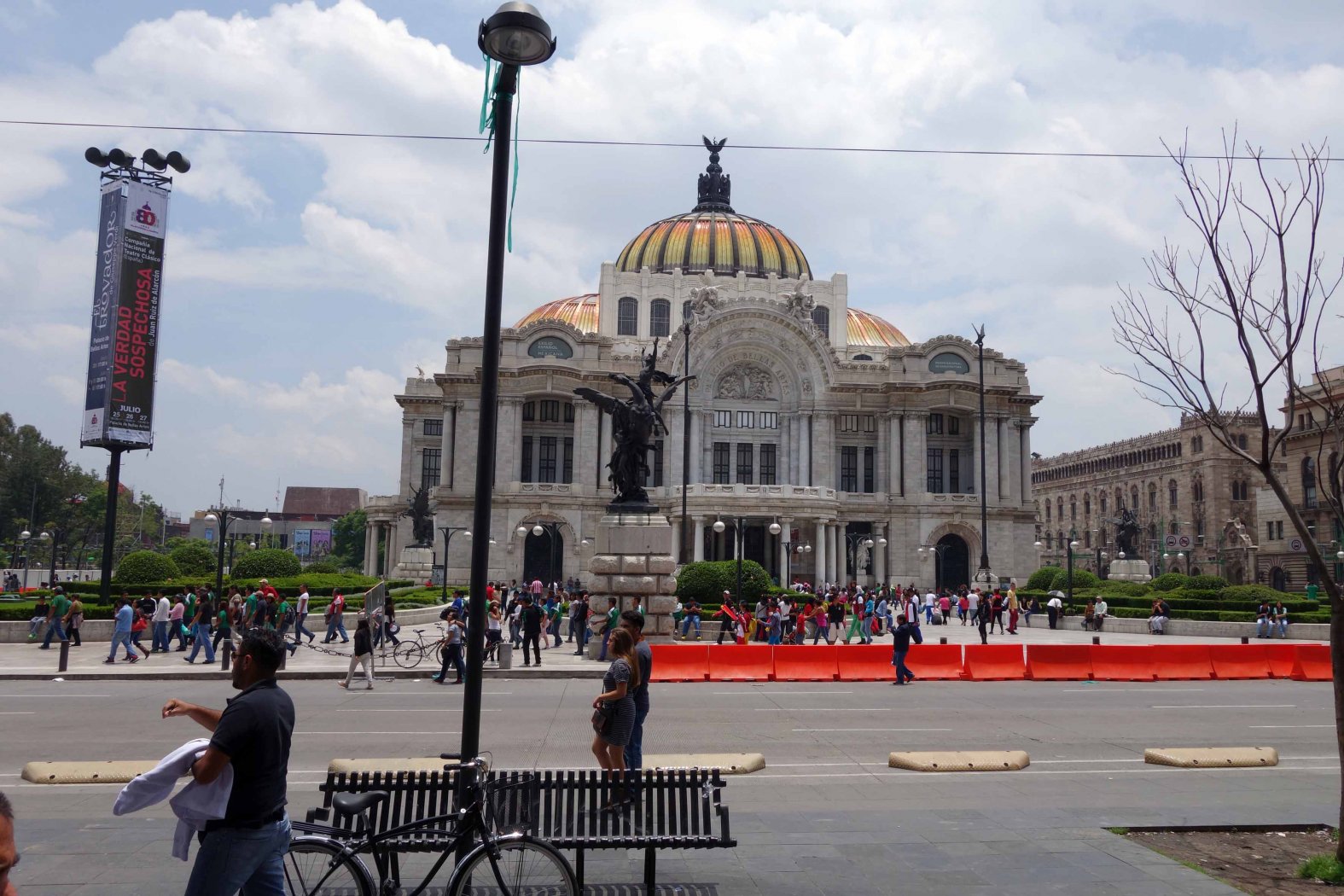
Alameda Central: This rectangular shaped park is a popular place for families to stroll around on Sunday eating ice cream and feeding the birds. It is a relatively tranquil refuge in the city center lined with poplar trees called alamos in Spanish from which the park derives its name. To the east of the Alamada lays concert hall Palacio de Bellas Artes.
Bellas Artes –This concert hall was built by two different architects between 1905 and 1930 using white marble and overcoming problems such as a sinking foundation and waiting to be completed after the Mexican Revolution. Today you can walk through the palace and observe intricately painted murals by Rufino Tamayo, Clemente Orozco, David Alfaro Siqueiros and Diego Rivera. The Ballet Folklorico performs here on Sundays and Wednesdays but if you cant make it to a performance come sip coffee at the cafe and peek in the bookstore. (www.bellasartes.gob.mx)
Chapultepec Park: The largest park in the city covering over 4 square kilometers, Chapultepec is the city’s lungs providing a open spaces for families to picnic, kids to play soccer and for “chilangos” to find a calm spot in the center of chaotic city life. The name Chapultepec literally means “grasshopper hill” in the native Nahuatl language of the Aztecs. The presidential residence, Los Pinos, is located here along with the Museum of Anthropology, Rufino Tamayo Art Museum, Museo del Niño, the Castillo de Chapultepec and the Chapultepec Zoo.
Castillo de Chapultepec – This ancient castle was built in 1785 and served as a home to Emperor Maximilian in 1864. It later housed Mexican presidents until 1939 when it was converted into a National History Museum.
Chapultepec Zoo – If you are interested visit the zoo to observe endangered Mexican species such as the grey wolf and the unique pre-Hispanic Xoloitzcuintle hairless dog as well as numerous species of Mexican birds in the Aviario Moctezuma. Admission Free! (www.chapultepec.df.gob.mx)
Museo de Antropologia – An extensive in depth look at the pre-Hispanic cultures, including the Olmecs, Mayas, Toltecs & Aztecs, that inhabited the Mexican territory before colonization can be seen in the ground floor display halls while upstairs these same indigenous cultures are presented as they live today. Schedule plenty of time for your visit to this impressive museum and for a really detailed description of the displays an audio guide can be rented. Outside the museum, you can watch the ancient Totonac ritual flyers spiral to the ground from a 20 meter high pole. (Entry Fee $51 pesos on Tuesdays-Sunday from 9:00-19:00; www.mna.inah.gob.mx)
Condesa: Amsterdam street and Avenida Mexico once formed the city’s hippodrome, however today this area has become a hip and international neighborhood where students and young professionals sip Illy cafe on the corner of tree lined Parque Mexico and neighborhood residents walk their dogs in the park. Its a great place to grab lunch at an organic cafe halfway through your city tour.
Zona Rosa: Literally meaning “the pink zone”, this trendy area is known as the gay and lesbian hangout in Mexico City but also has a large expanse of trendy restaurants, funky shops, sidewalk cafes and theaters. Walk along pedestrian street Calle Genova among a diverse crowd of fashionable locals.
Polanco: This is THE cosmopolitan center for affluent Mexico City residents where designer shops line Avenida Masaryk by day and the most famous and spectacular discotheques stand by night. Excellent restaurants with cuisine from around the world will make your mouth water and a souvenir from this area will set you back a few hundred pesos.
San Angel: Stroll along the picturesque cobblestone streets of San Angel, a quaint neighborhood with enormous colonial mansions tucked behind ancient bougainvillea covered stone walls. Visitors here on Saturday will be rewarded with the opportunity to see, smell, touch and taste the “Bazar del Sabado” in Plaza San Jacinto where artists pack into the small park and marketplace to sell their unique creations and serve up delicious homemade quesadillas, margaritas, organic coffee from Chiapas and more.
Xochimilco: The name Xochimilco literally means “the place where the flowers grow” in the native Nahuatl language and was once the agricultural region of the city where indigenous inhabitants grew their crops among floating islands dissected by canals. Today you can take a gondola style boat tour through the canals while listening to Mariachi music and drinking an ice-cold beer served by floating vendors along the way. Alternately, you can rent a kayak and paddle around on your own (just don’t get lost among the labyrinth of canals.
Coyoacan: The Bohemian suburb of Coyoacan was once the home of Frida Kahlo and Diego Rivera where the “Blue House” still stands today as a beautiful museum displaying works of art and pieces from the life of this dynamic couple. Visit the Leon Trotsky museum and walk around the central plaza for hippy-style clothing and jewelry. Sit down at a local restaurant to soak up the sights and sounds of the weekend marketplace or have a picnic lunch in the large and shady “Viveros” park to enjoy the atmosphere of this neighborhood during the week.
Mexico City (på spansk Ciudad de México og i Mexico som regel blot México, på dansk også Mexico By), i den præ-columbianske tid var byen kendt som Tenochtitlán) er hovedstaden i Mexico. Arealmæssigt dækker byen både Mexicos Føderale Distrikt (spansk México Distrito Federal og México D.F., en særlig administrativ enhed svarende til Washington D.C. i USA) og en del af delstaten Mexico, i den nordlige del af det føderale distrikt. Mexico City har et af de største indbyggertal i verden, anslået til 22 millioner,og som kun er overgået af Tokyo i Japan. Det er også et af de største bymæssige områder i verden; Stor-Mexico City danner en art ellipse, der spænder 40 km fra øst til vest og 60 fra nord til syd.
Calle 5 De Febrero No. 24 Centro H
Centro Historico
Mexico City
06060
52-55-80005000
52-55-80005001
Mexch.hampton.suites@Hilton.com
GTA Booking Id: 010/10505393 (D)
GTA Internal Reference: L2NF746261
Reservation No: 87802954